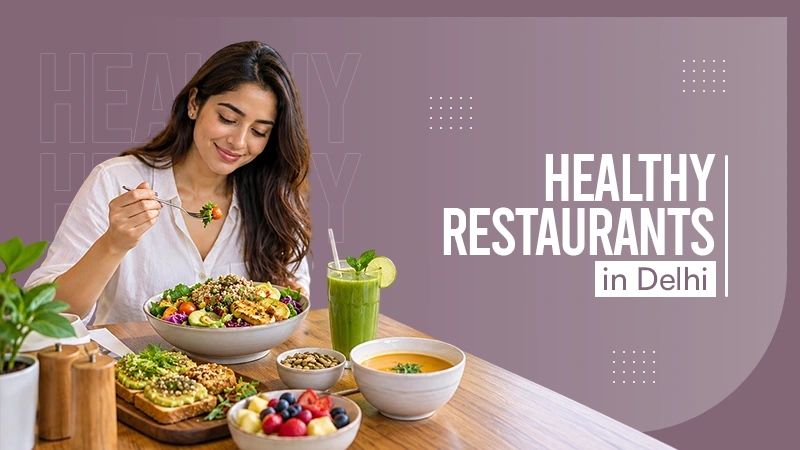
Healthy eating out is not impossible; it is simpler than you think.
Just knowing about your meals and enjoying them in a moderate amount is a simple but more than enough task you can do to achieve your fitness goals.
After reading this blog, you will learn how to stay on track when dining out and how you canuse this knowledge to stay on track; healthy eating and a hearty meal can coexist, trust me.
Healthy eating out is not about eating less; it’s about eating well. Most of the fit people eat outside frequently and still stay fit, while your belly fat skyrockets after dining out for only a few days.
Let me tell you how to stay on track when dining out. Here are the 10 ordering tips for healthy eating out:
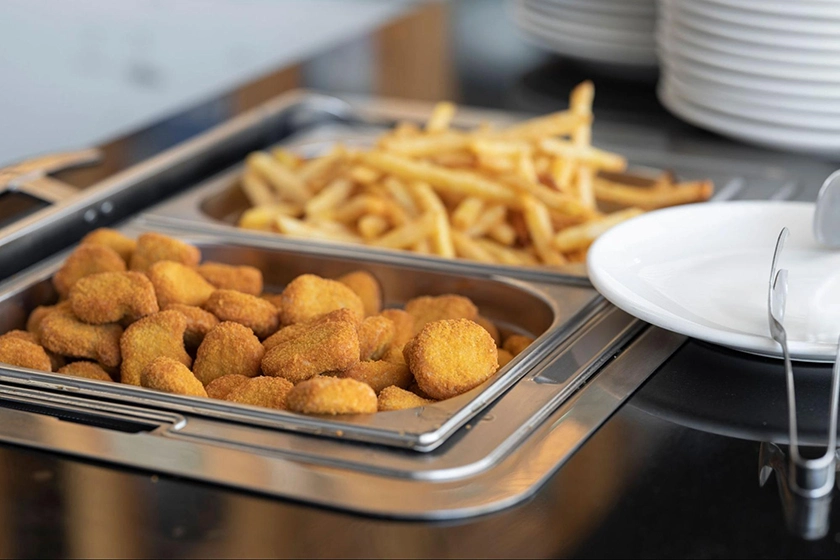
1. Avoid Fried Foods
Fried food items absorb plenty of cooking oil, which makes the food less healthy and riskier. These are 8 major disadvantages of fried food:
High in unhealthy fats
Increased risk of heart disease
Leads to weight gain and obesity
Causes digestive issues
Raises bad cholesterol (LDL) levels
Increases risk of type 2 diabetes
High calories, low nutrients
Linked to inflammation in the body
Avoid ordering fried foods while dining out. Choose better alternatives instead, like grilled, baked, and boiled foods.
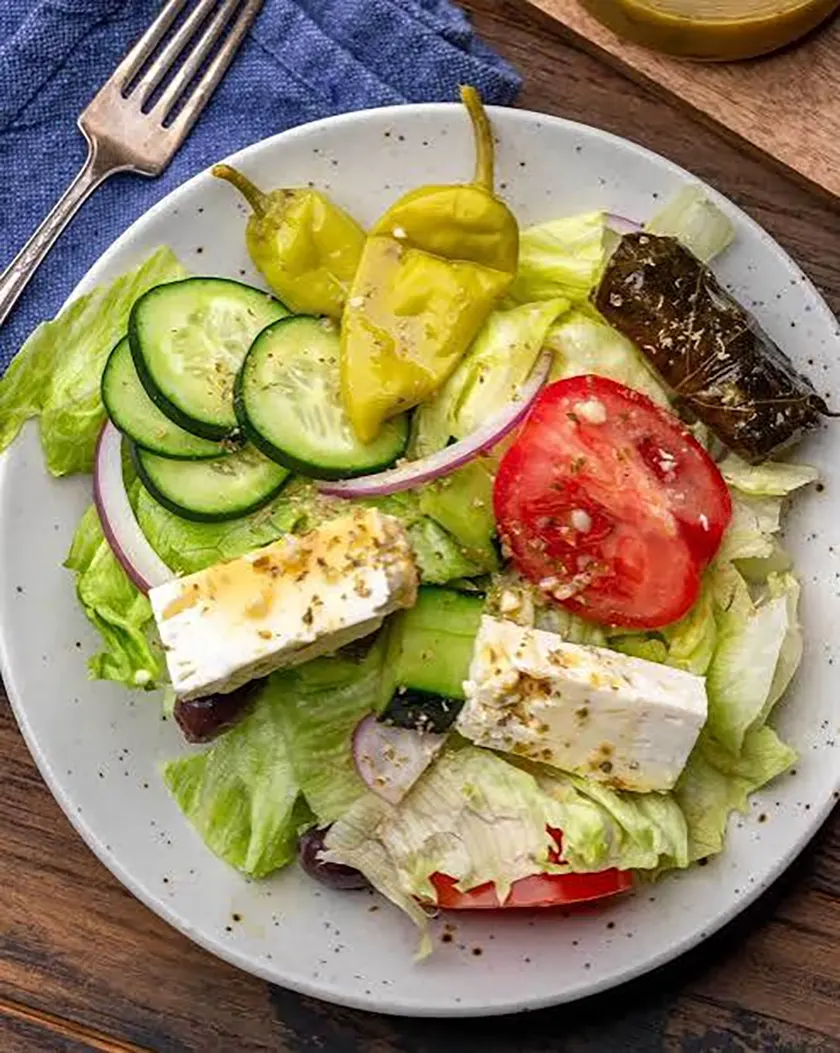
2. Start With A Salad
While dining out, eating salad first helps you stay on track and fill your stomach with fiber and water-rich vegetables. Reduced hunger leads to portion control and prevents overeating.
Salads provide essential vitamins, minerals, and antioxidants that support overall health. It also stimulates digestive enzymes and slows down glucose absorption, which smooths sugar levels and assists weight management.
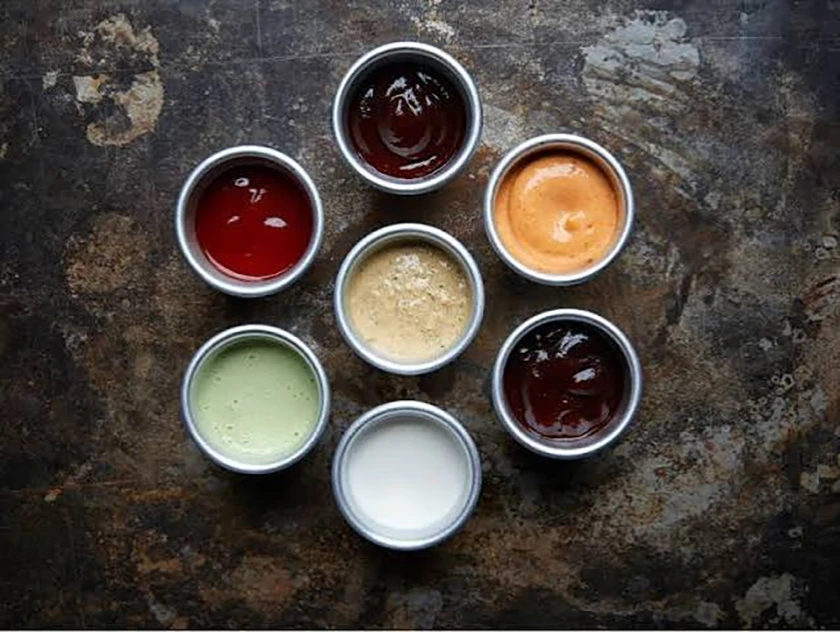
3. Refrain from Sauces On The Side
Sauces in restaurants are very high in sugar, salt, butter, and cream. Ordering them on the side helps you to prevent unnecessary calorie consumption while enjoying your meal.
It lets you control how much flavor overlaps the natural taste of the dish.
And it prevents food wastage if you particularly don’t like the sauce.
4. Choose Whole Grains
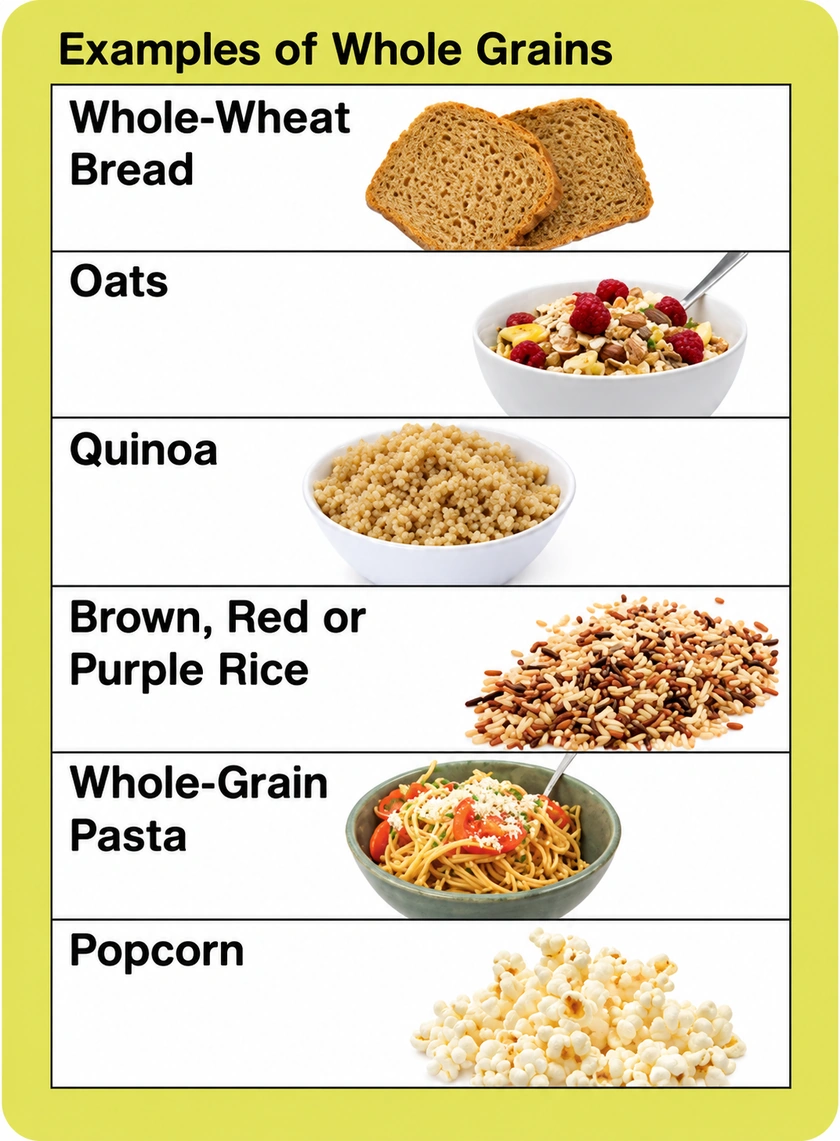
Always order whole-grain meals when dining out. It keeps you full for longer and helps maintain stable blood sugar levels. Slow digestion prevents post-meal crashes and helps balance heavy, indulgent meals.
Whole grains are an essential part of healthy eating out. Some of the nutrient-dense, fiber-rich whole grains are brown rice, whole wheat bread, oats, and quinoa.
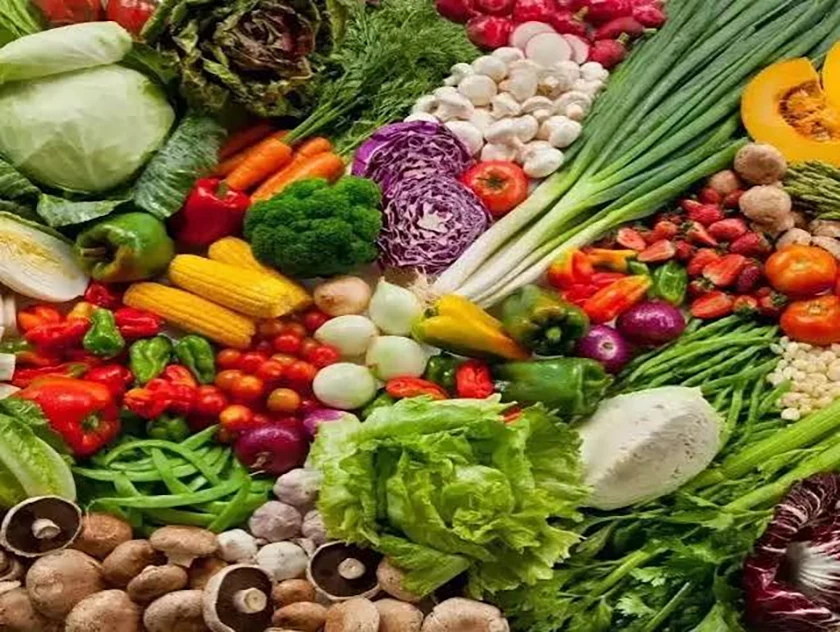
5. Ask For More Vegetables
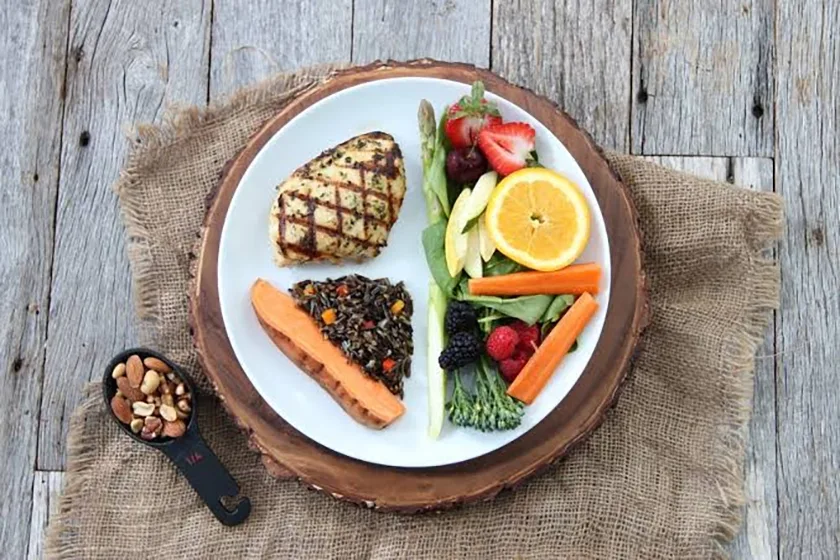
Healthy eating out is making your meal more nutritious and satisfying without adding too many calories. Vegetables can do this easily.
Being rich in fiber, vitamins, minerals, and antioxidants but low in calories makes them worthy enough to secure a big portion on your plate.
Vegetables also help counter the fats, empty calories, salt, and heavy portions often hidden in restaurant meals.
6. No Sugary Drinks
Nobody wants to double their calorie count before even starting a meal. Sweet beverages do the same thing, with huge amounts of calories and no benefits. Here are 5 reasons why you should not consume sugary drinks:
Promotes cardiovascular diseases
Leads to obesity
Spikes blood sugar and insulin
Surplus unneeded calories without satiety
Assists in severe tooth decay and type 2 diabetes
While sugary drinks are not considered a part of healthy dining out, you can go for better alternatives like unsweetened tea, fresh lime water, coconut water, or zero-sugar beverages to settle your sugar cravings.
7. Portion Control Is The Key
Portion control at restaurants is crucial to avoid consuming more calories than you need. Eating full-course meals can easily increase your calorie intake by two to three times more than your body’s requirements.
Eating smaller portions, sharing a meal, or taking away your food to eat later can prevent overeating and metabolic health issues. Healthy eating out is incomplete without portion control.
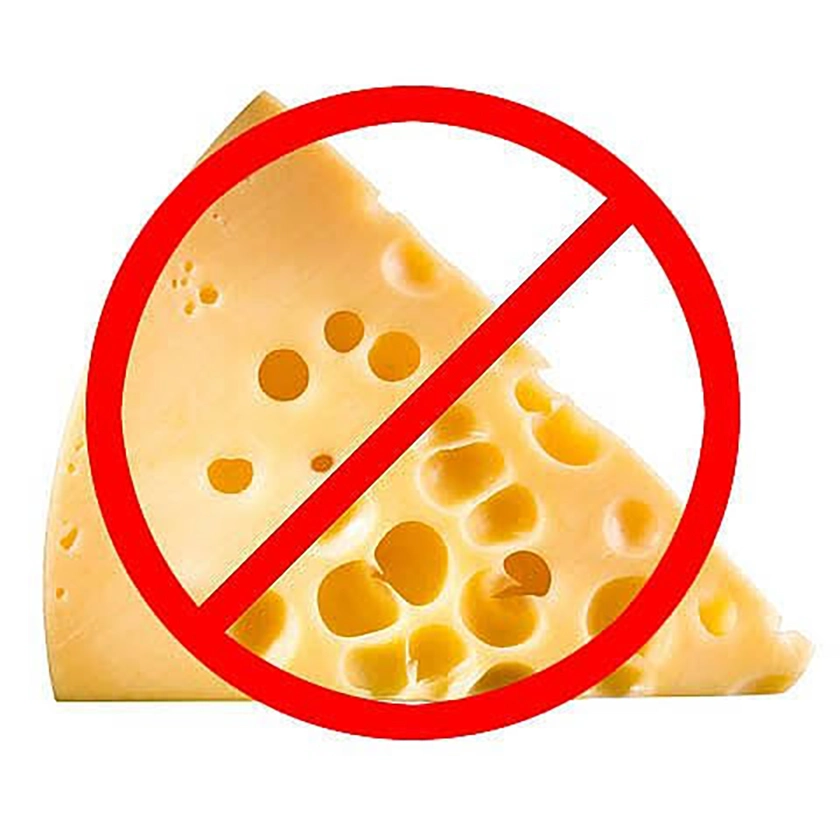
8. Don’t Say Cheese
Cheese can be nutritious, but excess consumption adds saturated fats, extra calories, and sodium to your meal. Not asking for extra cheese makes your meal lighter and healthier.
Healthier cheese options like fresh mozzarella, feta, or goat cheese naturally contain less sodium and lower fats compared to processed cheese. Balance your meal by making healthy choices when eating out.
9. One Dessert For All
Dessert is a feeling, not a proper food. Sharing one dessert will help you refrain from an excessive amount of sugar and fat.
Ordering a single dessert and enjoying it with your loved ones is a safer and smarter way to prevent calorie surplus and sugar spikes, making it one of the healthy ordering tips at restaurants.
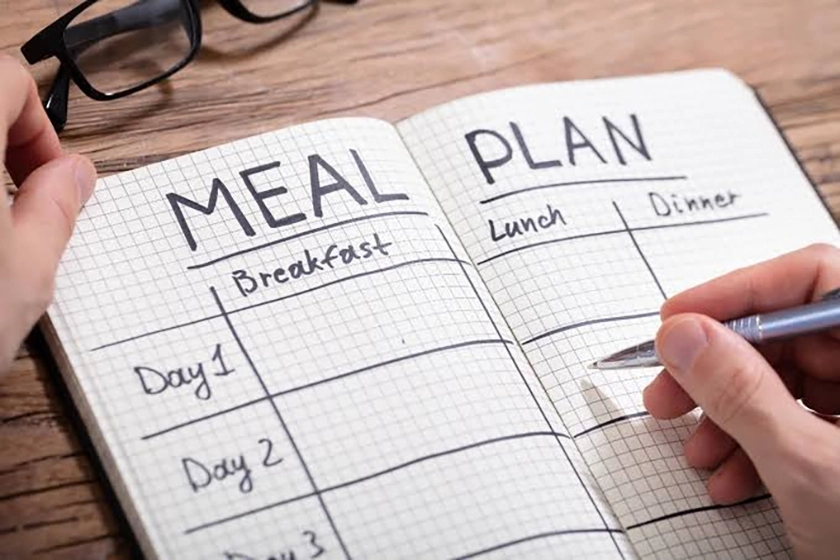
10. Pre-Decide Your Meal
Pre-deciding on your meal before visiting the restaurant is a great way to avoid decision fatigue. Check the menus of the best restaurants for healthy eating out. And order after deciding on the delicious meals that are aligned with your fitness goals.
Deciding on your meal before arriving at a restaurant converts your unhealthy dining out into a healthy eating out experience.
How to Track When Eating Out?
Restaurant meals are usually difficult to track perfectly. Due to hidden heavy oils, large portions, and various recipes, it is nearly impossible to track.
While prioritizing estimation over absolute perfection is an effective way to track calories while eating out, smart people use a calorie tracker to calculate nearly perfect amounts of nutrients required by their bodies.
Here are 4 ways to track your calories when eating out:
Check for Nutrition Information: Most of the established restaurants provide nutritional details of their dishes. Check their menus and nutritional information to track your intake more precisely.
Use a Calorie Tracker: A smart calorie tracker helps you estimate your BMR, maintenance calories, and a daily intake target from your stats, activity, and goals. Tracking your calories is part of making healthy choices when dining out.
Estimate Your Calories: Restaurants often serve larger portions than you consume. Estimate the amount of calories based on the meal, and devour the portion you actually eat.
Be Aware of Hidden Calories: Sauces, dressings, butter, cheese, and sugary drinks can easily add three times more calories than your main course. Not including them in your calorie estimation can be a huge mistake.
Conclusion
Healthy eating when dining out is not a difficult task anymore. Now, if someone asks you how to eat healthy when dining out? You have plenty of knowledge to share.
Small habits like consuming cheese in moderation and avoiding sugary drinks lead to better health and fitness over time. Adding vegetables to your meal, maintaining portion control, and simple swaps like choosing baked over fried and preferring healthy restaurant meals should be your new, healthier lifestyle.
Consistency with healthy choices when eating out will be beneficial for you in ways you have never thought of. With time, positive and noticeable changes will start showing. May every dining out bring you joy and good health.
Frequently Asked Questions
What are the 10 ordering tips for healthy eating out?
These are the 10 tips for healthy eating out:
Avoid Fried Foods
Start With A Salad
Ask for Sauces on The Side
Choose Whole Grain Foods
Ask for More Vegetables
Avoid Sugary Drinks
Maintain Portion Control
Limit Extra Cheese
Share dessert
Pre-Decide Your Meal
What are the 5 major disadvantages of sugary drinks?
Here are the 5 major disadvantages of sugary drinks:
Promotes cardiovascular diseases
Leads to obesity
Spikes blood sugar and insulin
Surplus unneeded calories without satiety
Assists in severe tooth decay and type 2 diabetes
How can you track calories when eating out?
You can use a calorie tracker to estimate your calorie intake when eating out. Checking nutrition information, portion sizes, sauces, and other extras can help you track your meal more accurately.
How can you avoid hidden calories when eating out?
Sauces, dressings, butter, cheese, and sugary drinks can easily add extra calories to your meal. Asking for sauces and dressings on the side and checking nutrition information when available can help you better manage your calorie intake.