Not drinking enough water will show up in the form of headaches, muscle cramps, exhaustion, brain fog, reduced urine production, or a dark yellow colour, along with a dry mouth. Excessive dehydration, or the severity of any of the aforementioned symptoms, should be looked at by a medical professional.
7 Benefits of Drinking Water, Daily Intake Requirements & Hydration Myths
Water is a significant component in the human body that helps carry out major functions, like maintaining a normal physiological balance. With around 60% of the body composition being held by just water, it is an essential nutrient that supports transport systems in its environment, which makes it a non-negotiable part of a routine. Study suggest that we need more than 3200 mL/day to reap the benefits of drinking water.
Read this article to figure out how hydration works and why it is so important. Here, we explain the 7 benefits of reaching the optimum goal, alongside how much water a person needs to consume on a daily basis, and how to reach that objective easily.
Table of Contents:
At a Glance
- Drinking water in required amounts daily improves physical and mental health performance.
- It manages significant functions in our body and boosts energy.
- Consumption of water helps with digestion, hydration, and metabolism, aiding weight loss.
- Men require approximately 3.7 L/day, while women 2.7L/day, and individual needs vary.
- Setting reminders and replacing beverages with hydrating food helps build consistency.
Quick Answer:
Water supports systems that carry oxygen and nutrition throughout our body. Benefits of drinking water include protecting our joints and tissues, regulating temperature, helping digest food, removing waste from the body, and preventing dehydration. Hydration needs are based on our lifestyle, health, and the weather.
7 Benefits of Drinking Water to Keep in Mind
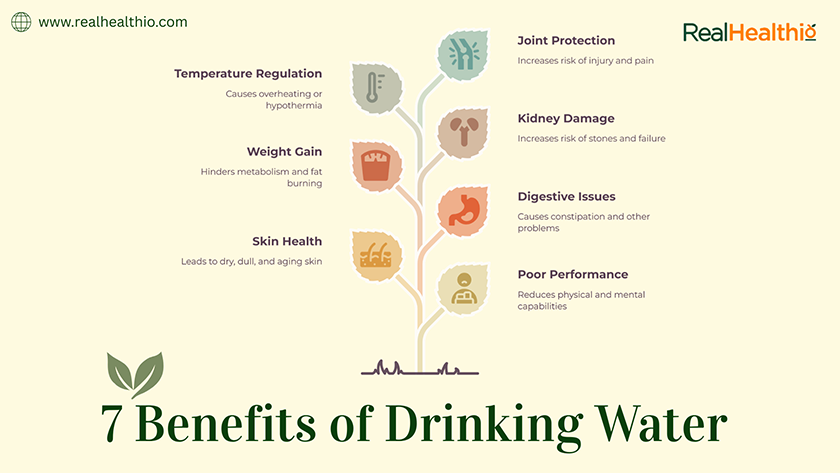
Drinking enough water every day supports nearly every major function in the body. From improving physical and mental performance to aiding digestion, weight management, kidney health, temperature regulation, and joint protection, proper hydration offers several essential benefits that contribute to overall health and long-term well-being.
Let us discuss why water is important for your body.
Benefit 1: Improves Performance in Work and Sports

Unfavorable hydration strategies are known to result in decreased athletic performance amongst athletes. According to research of Department of Health SciencesMerrimack CollegeO’Reilly Hall, lack of fluids and electrolytes can cause a decline in cardiac output, cognitive awareness, anaerobic power, and time to exhaustion. Therefore, in order to achieve higher functioning capacity when it comes to the hectic work-life balance or reaching fitness goals, it is important to focus on consuming water in proper amounts on a daily basis.
Benefit 2: Skin Health Benefits

Staying hydrated is pertinent to maintaining healthy, glowing, and plump-looking skin, in the long list of health benefits of water consumption. It leads to what we consider the most commercialized fact about any skincare product these days: anti-aging properties. Dovepress’s studies suggest that increasing dietary water intake works the same as a topical moisturizer, and hence it makes us look younger and brighter.
Benefit 3: Promotes Digestive Health

Considered the second brain, a healthy gut gets significant support from water to maintain good gut bacteria and therefore promote a sustainable microbiome for it to exist. Health benefits of drinking water ensure that common gastric issues, such as constipation, stay at bay.
Benefit 4: Helps with Weight Loss

When consumed instead of sugary beverages or alcohol, drinking water makes for fewer calories and no stimulation of insulin, along with preventing overeating if ingested before a meal.
An article based on the scientist at Children’s Hospital Oakland Research Institute suggests avoiding extra carbohydrates present in beverages, except for milk, and the absence of macronutrients in water keeps the glucose in check and helps in an increased rate of fat oxidation. In children, benefits of water consumption include preventing weight gain, while a hypocaloric diet helps in weight loss among adults.
Benefit 5: Flushes out Body Waste and Prevents Kidney Damage

Water is known to be a “therapeutic agent” when it comes to managing issues like nephrolithiasis, chronic kidney disease(CKD), and polycystic kidney disease (PKD). How much water you should drink a day helps flush toxins from the body in the form of sweat and urine, prevents urinary tract infections (UTIs), and aids in allergies.
Benefit 6: Regulates Body Temperature and Increases Blood Oxygen

In a country such as India, where the summer season is blisteringly hot and the short winters are freezing cold, it is noteworthy to know that thermoregulation plays a critical role in protecting our body from extreme temperatures outside. Health benefits of drinking water promote processes such as sweating; the excess heat gets eliminated regularly, maintaining a homeostatic environment necessary for survival.
This is where appropriate daily water intake plays a huge role in keeping us healthy and safe. Furthermore, containing over 90% water, blood carries oxygen to all our body parts.
Benefit 7: Protects the Spinal Cord, Brain, and Joints

Dehydration for long periods of time can result in brain fog and overall slow brain functioning capacity, as it can be noted during really high temperatures while standing under the Sun for too long.
Hence, the health benefits of water consumption help let the brain use itself to its maximum capacity, while also working as a shock-absorbing system between the layers of our skin and joints to cushion exertion, and therefore, prevent injuries. It also helps retain moisture in our organs.
What is the Required Water Intake of a Human Body?
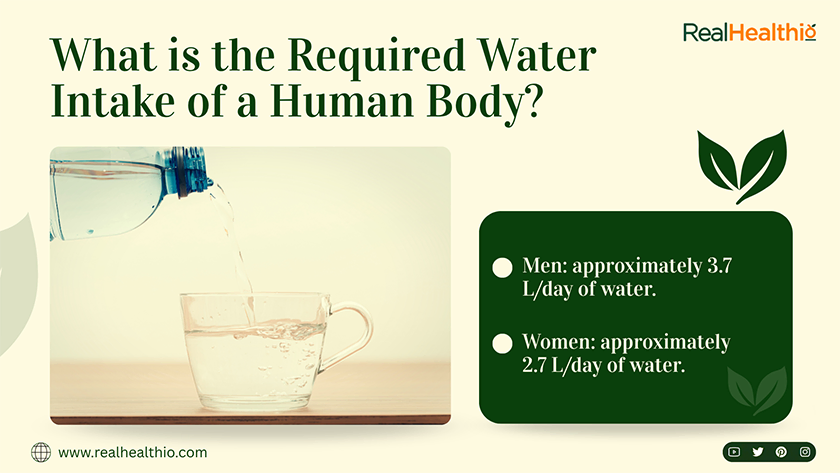
How much water you should drink a day is a requirement that varies from person to person, and even still, there are a number of factors that decide how much water one might need to consume on a day-to-day basis. The need for hydration usually depends on:
- Age
- Sex
- Climatic Conditions
- Physical Activity
- Medical Condition
- Body Size
- Pregnancy/Breastfeeding
- General Health
In order to maintain a normal physiological balance, the suggested amount is:
- Men: approximately 3.7 L/day of water.
- Women: approximately 2.7 L/day of water.
It is noteworthy that these numbers are achievable through both food and beverages, lifestyle choices, and different body compositions.
However, to reach your daily goals, a personalized calculator can help in making things much easier for you.
Myth-Busting & Tips for Water Consumption
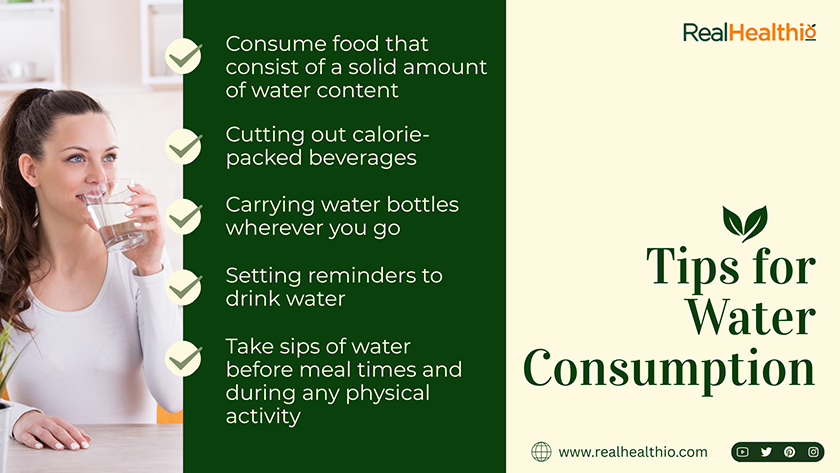
There are a lot of common and misleading myths regarding why is water important for your body and how to stay hydrated, beyond the ultimate question of “how much water you should drink a day.” So, let’s discuss and bust some of them to be able to focus on this healthy habit stress-free.
Myths
- Drinking 8 glasses of water daily is not set in stone, and there are several factors that decide how much you may require, as discussed in the above section.
- Tea/Coffee/Matcha do not dehydrate you, provided you consume them in a balanced amount. Remember to drink water, or any fluid with electrolytes, before any such beverages, and then throughout the day to stabilize absorption of caffeine.
- You can, in fact, have too much water in your system, and overdoing it is not going to help with more hydration. It has quite the opposite effects, if anything, even leading to some serious health concerns pertaining to kidney issues, cramps, headaches, and such.
- A dark yellow color in urine indicates dehydration; similarly, a colorless-looking urine is a sign of too much water and the body’s signal that it cannot absorb more. Pale yellow is generally considered to be the healthiest.
Tips on How to Increase Your Daily Water Intake
- A number of food options provide hydration, since they consist of a solid amount of water content. Cucumber, tomatoes, lettuce, and radish, alongside fruits like watermelon, berries, apples, and oranges, are really helpful in increasing the benefits of water consumption.
- Cutting out calorie-packed beverages, like soda, and replacing them with water is not only a healthier option, but it is also cheaper to commit to.
- Carrying water bottles wherever you go, and even a straw just in case you have an aversion to using used cups, even from a close person, is bound to become a habit eventually, and it could also be fun to use.
- Setting reminders to drink from time to time is an easy hydration ritual.
- Try to take proper sips of water before meal times and during any physical activity. It helps build consistency, along with moderation in these tasks.
Staying hydrated is an important part of a healthy daily routine. Along with drinking enough water, healthy eating habits can also help support good nutrition and overall health.
Summary
Given how hectic our lifestyles are, it becomes very easy to dismiss how careless we tend to be when it comes to our health. It is fairly common to not be able to pay attention to small things such as day-to-day water intake, but this can have long-term negative impacts on our body.
Therefore, through the health benefits of drinking water listed elaborately, along with the tips, and with the help of a personalized, efficient, and easy-to-use Realhealthio’s daily water intake calculator, it becomes an approachable goal.
FAQs
What are signs you might not be drinking enough water?
Should we drink water even if we don’t particularly feel thirsty?
Usually, thirst is an immediate indicator that you need to consume water, but if you don’t feel thirsty, then it is okay to assume that the body is adequately hydrated for the time being.
What are the reasons to drink plain water over beverages?
Plain water is low in calories, does not contain any sugar, and is not carbonated, which automatically makes it a lighter, healthier option. Moreover, you don’t have to look at the ingredient list every single time, which is an additional benefit.
Is the temperature of the water important to note?
The temperature at which you decide to consume water depends on the climatic conditions or if you have participated in a physical activity. Besides that, both hot and cold temperatures are said to have their own set of benefits and bring comfort, as per an individual’s requirement.
Could drinking water before meals be considered a healthy habit?
Drinking water before meals could be seen as an easy reminder to reach your hydration goals at regular intervals. Although it does help aid weight loss, it cannot be used as the only dietary measure/lifestyle pattern to lose weight. However, it can help prevent overeating.