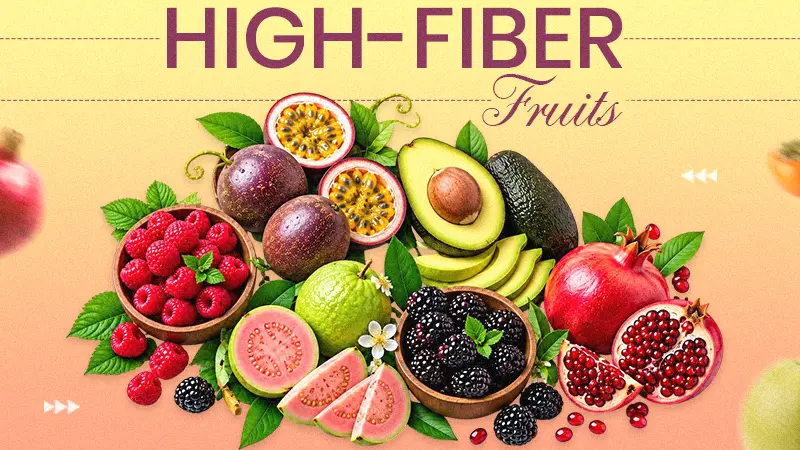
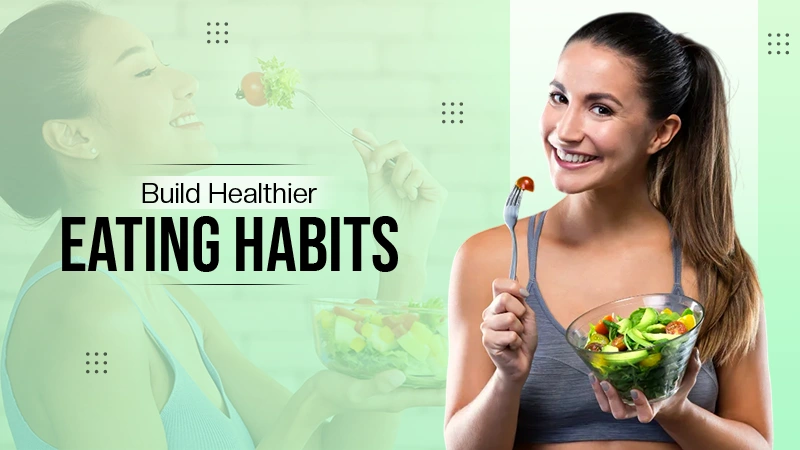
The Healthy Plate Method is a simple way to build a balanced meal. Fill half your plate with vegetables and fruits, one-quarter with whole grains, and one-quarter with healthy protein sources.
How to Eat Clean: A Practical Guide to Building Healthier Eating Habits
Curious about clean eating?
Clean eating is prioritizing minimally processed meals, whole foods, lean proteins, healthy fats, and whole grains.
Practicing a clean-eating diet and learning what it is creates a path to start clean eating for beginners.
But how to start eating clean?
This blog offers a practical guide to build healthier, clean eating habits. Including 10 tips for eating clean and 7 clean-eating habits for daily life, this beginner-friendly blog offers wisdom on what clean eating is and how to eat clean.
Table of Contents:
10 Tips on How to Eat Clean for a Better Health
How do you eat clean?
Imagine a vibrant basket of fresh fruits and sugary ice cream with a slice of apple. Which one is healthier?
Clean eating holds its roots in natural or minimally processed foods. Clean eating enthusiasts prefer nature’s gift over a baker’s donut.
Start your clean eating diet today. Here are the 10 tips to eat clean you need to know:
Prioritize Whole Foods
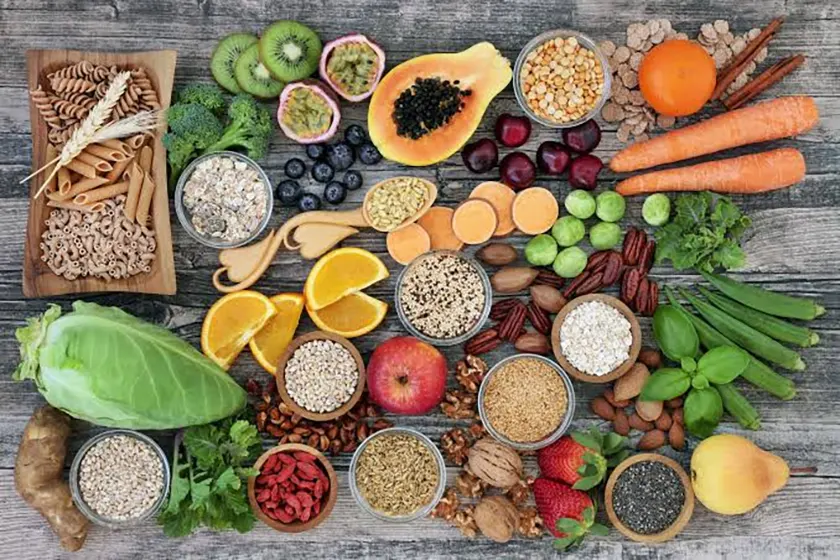
Whole foods are essential for clean eating. They provide the maximum amount of vitamins, minerals, and natural fibre. Being in their natural, unprocessed state, these items often have added sugar, salt, and unhealthy fats.
Making whole foods like vegetables, fruits, whole grains, legumes, nuts, seeds, eggs, fish, dairy, and unprocessed meat the foundation of your meal helps you to create a clean-eating diet.
The Healthy Plate Method
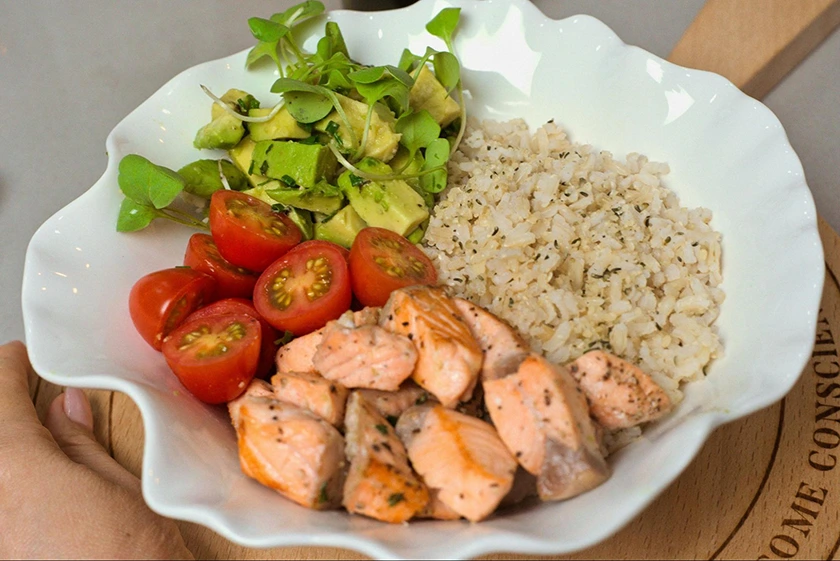
The Healthy Plate Method is one of the simplest ways to eat clean. This allows you to enjoy food without excessive calorie counting or measuring scales.
Fill half of your plate with colorful veggies and whole fruits. Vegetable and fruit salad are packed with fibre, vitamins, and minerals, and lower in calories and carbohydrates.
Allow lean proteins to take up space in your one-quarter plate. Lean protein foods like eggs, tofu, skinless poultry, fish, and legumes like lentils, chickpeas, and beans aid in building and repairing muscles and bring satiety for a longer time.
The final quarter of your plate should be reserved for whole grains and healthy carbs; being a primary source of energy and preventing blood sugar spikes makes them essential for the human body.
Plant Foods Every Week
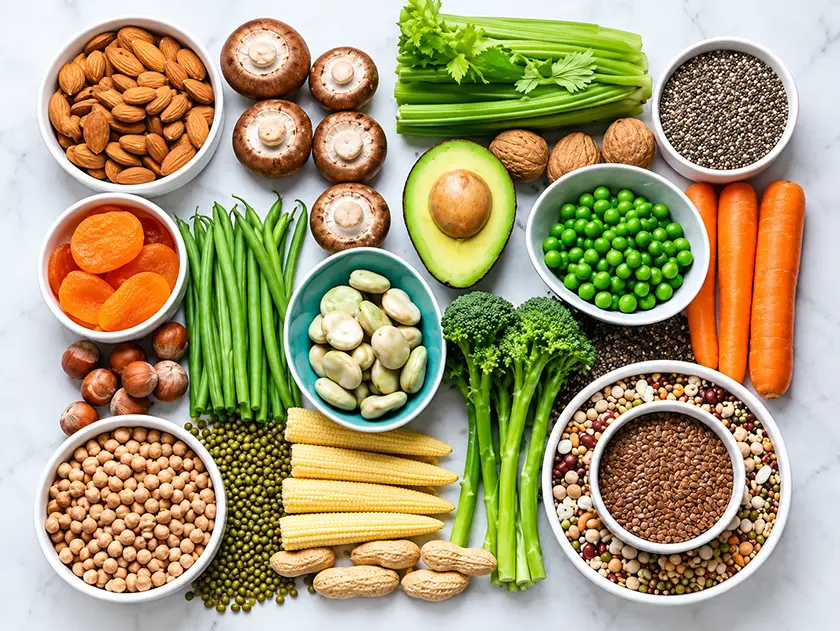
Relying on the same food for months is boring. Bringing variety to your meals improves vitamins, minerals, fibre, and antioxidant intake.
Here are 4 major benefits of eating different plants every week:
- *Gut Microbe Health Optimization
- *Phytochemicals Fulfillment
- Prevents Nutrient Deficiency
- Lower Chronic Disease Risks
Leading gut health researchers recommend eating at least 30 different plants per week, including vegetables, fruits, grains, nuts, seeds, and herbs.
Adding a variety in your plant-based foods leads to a healthy, clean-eating diet.
Choose Lean Protein
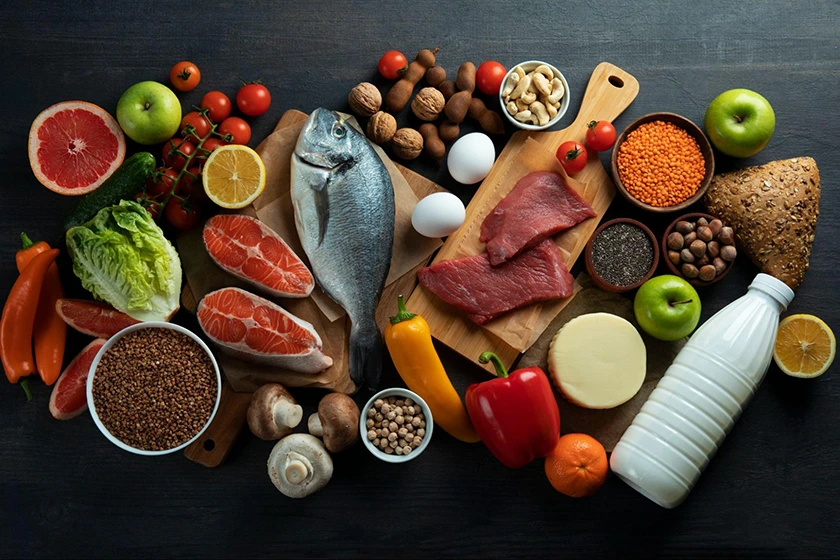
Include lean protein in your meals. Clean eating requires lean protein to minimize saturated fats, artificial additives, and unnecessary calories.
Clean eating prefers whole or minimally processed foods. Lean protein aligns with this idea perfectly. Preservation and repair of muscles are also some benefits of consuming lean protein.
Lean protein is not limited to only omnivores; here are 10 examples of lean protein meals for vegetarians, omnivores, and vegans:
| Vegans | Vegetarians | Omnivores |
|---|---|---|
| Tofu | Low-fat Greek Yogurt | Skinless Chicken breast |
| Tempeh | Low-fat cottage cheese | Turkey Breast |
| Edamame | Lentils | Fish (Haddock, Tilapia, cod) |
| Lentils | Low-fat paneer | Salmon |
| Chickpeas | Skim milk | Tuna |
| Black Beans | Kefir | Shrimp |
| Kidney Beans | Soy Milk | Lean Beef |
| Seitan | Tofu | Whole Eggs |
| Soybeans | Tempeh | Lean Pork |
| Pea Protein | Edamame | Goat Meat |
Whole Grains
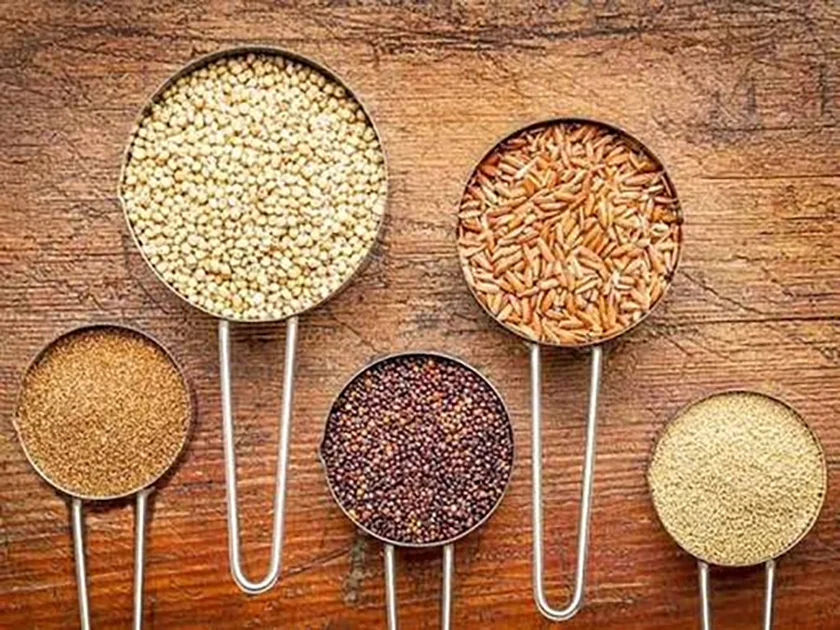
Clean eating is incomplete without whole grains. Where heavily processed refined grains have lost their native nutrients, whole grains provide fibre-rich outer bran, nutrient-dense germ, and carbohydrate-heavy endosperm. All three original parts of the seed are intact.
With zero artificial stripping and no synthetic fillers, whole grains deliver sustained energy with high nutrient density. Quinoa, oatmeal, and Hulled Barley are some examples of whole grains.
Primary Drink: Water
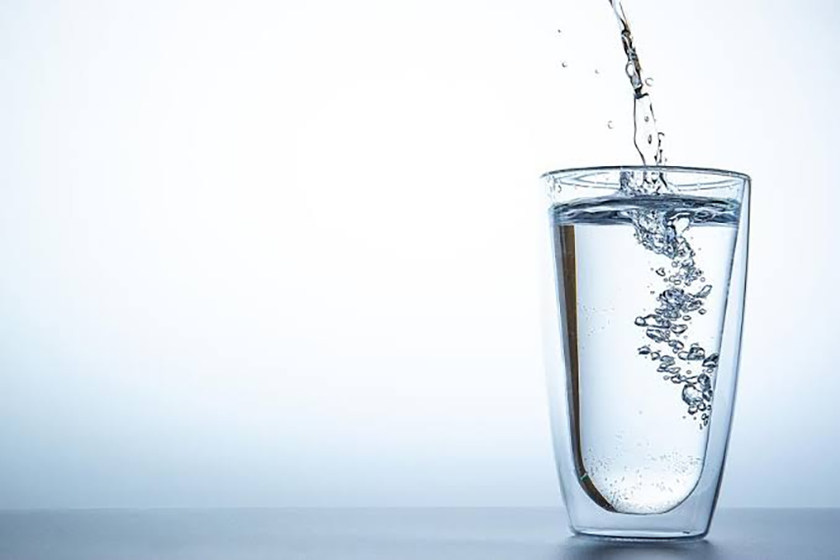
Soda is your enemy; water is your friend. Clean eating means nothing if you are not hydrated. Here are 4 reasons that make water crucial for clean eating:
- Water improves digestion and boosts your nutrient absorption.
- Hydration improves skin quality and lubricates joints.
- Staying hydrated boosts mental functioning.
- Meeting your daily water intake needs helps prevent dry mouth and dehydration.
Clean eating includes drinks too. Artificial sugar and pseudo fruit beverages hurt you. Clean water heals you.
Moderation is a Must
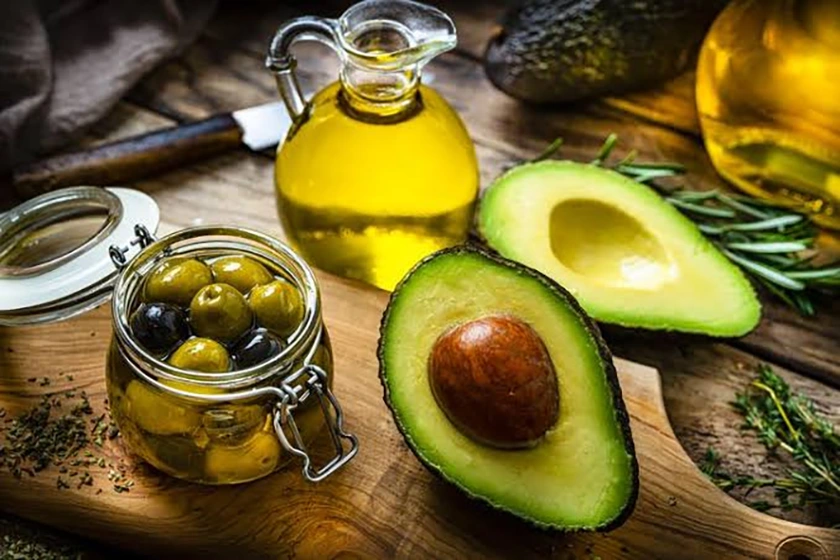
Moderation is necessary to control your nutrients and avoid excess intake of impure substances, such as excess trans fats. People who eat clean prefer olive oil, mustard oil, groundnut oil, nuts, and seeds over cheese, butter, and partially hydrogenated oils.
Eating in moderation allows you to rethink every bite and its consequences. It is considered an important concept of clean eating.
Check Your Packed Food
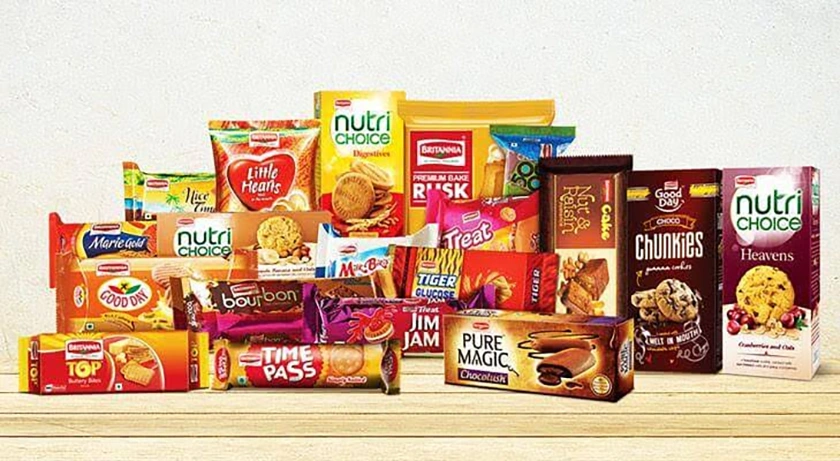
Not all packaged foods are hazardous, but most of them are !!
Always read the label behind packaged products and avoid foods with unrecognizable or suspicious ingredients.
The ingredient list on packaged food should contain whole foods like millets, dates, and oats, not hidden preservatives. Checking for lower amounts of added sugar, sodium, and saturated fats before consuming them is a progress in clean eating.
Mindful Eating

Enjoy your meal. Doomscrolling and distractions disrupt clean eating.
Every meal should feel like meditation. Take each bite calmly, and chew slowly.
Paying attention to your hunger leads to fullness. Distractions while eating lead to overeating. Clean eating makes sense when every meal brings satiety and satisfaction.
Consistency is Key
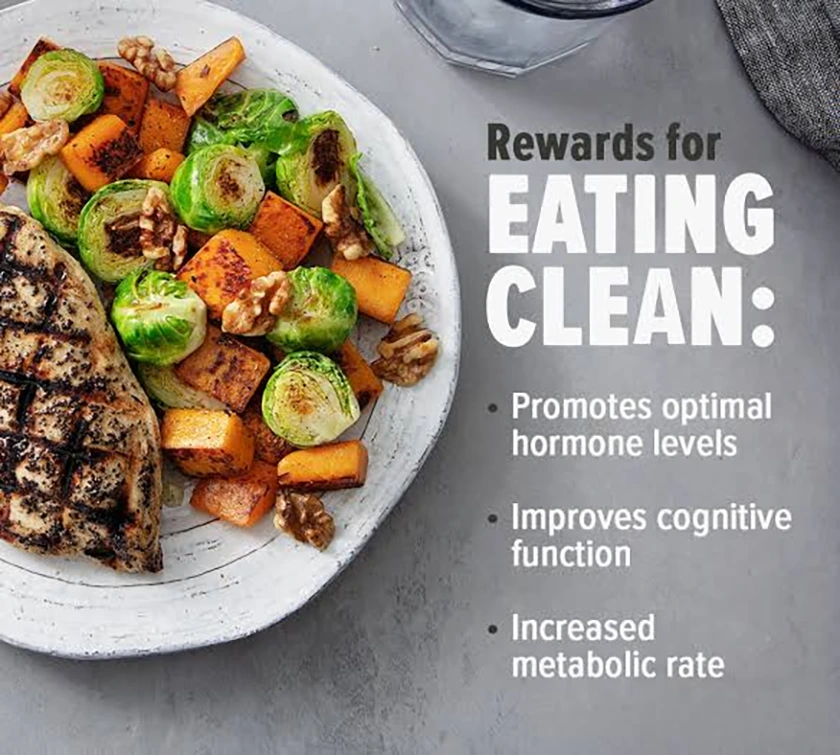
Nobody becomes fit in a day. But fit people exist. Why?
Because they are consistent; you also have to be. Healthy eating is a lifestyle you have to learn, not a trend that fades away. Long-term goals bring big rewards, and clean eating will reward you with life itself.
Be consistent; perfection is not what fit people aim for. Making mistakes and learning from them is a part of the process. Clean eating requires learning and improving at every step. Consistently eating clean is the key.
7 Clean Eating Habits For Daily Life
Clean eating habits work to build a lifestyle that normalizes clean, whole foods without processed crap. Eating a single clean meal will not bring drastic changes in your well-being, but daily habits built around clean eating will.
Presenting the 7 clean eating habits for daily life that will surge your clean eating journey if followed consistently:
Prefer Minimally Processed Food
Honestly, you can’t grab a running chicken and bite it directly. Minimal processing is required, but overprocessing is just propaganda by fit people to keep you fat. Choose healthy oils and less processing to cook your meal.
Avoid Ultra-Processed Food
Ultra-processed food provides a huge list of disadvantages with a few minor benefits. Even a glass of water is healthier than overprocessed food.
Healthy eating starts with including whole foods and raw fruits in your diet plan, and avoiding processed food is a crucial clean eating habit.
Be a Home Cook
Control your nutrient requirements by cooking your meals yourself. Homemade food cooked with natural oils and whole foods is healthier, satisfying, and clean.
Cooking your own meals is a great clean eating habit because it gives you more control over the ingredients you use. When dining out, choosing restaurants with healthy food options can make it easier to maintain your clean eating habits.
Plan Meals and Groceries Earlier
Before going to the supermarket, craft a list of groceries and meals you need for your kitchen. Alter it by cutting processed items and unhealthy substances.
Include healthy cold-pressed kitchen oils, lean proteins, whole grains, and whole foods. Now you’re good to go. This practice reduces the chances of eating unhealthy meals and is considered a clean eating habit.
Eat Balanced Meals
Nutrients can’t be compromised. A balanced diet is crucial because it provides essential nutrients your body needs to function optimally, maintain energy, and prevent chronic diseases.
These are the 7 essential components you should include in your diet:
- Carbohydrates
- Proteins
- Fats
- Vitamins
- Minerals
- Fibre
- Water
Following a balanced diet including all these components consistently is a big push towards clean eating.
Health Should be Reachable
Whole foods should be available all the time. Purchase necessary food items for clean eating. Cook clean whole foods whenever you are hungry.
Clean eating habits start from home; remove unhealthy food and keep clean food within reach. Psychologically, this trick helped a lot of beginners to meet their fitness goals.
Long Way to go
Sustainable habits consistently outperform restrictive eating plans. Building habits is not something you can do in a day. A healthy lifestyle requires time. Give it time and watch yourself become a better, healthier person. A diet chart will help you to eat clean for a single day, but a healthy, clean eating lifestyle will help you to eat clean every day.
Conclusion
Many people manifest the dream of living a clean eating lifestyle. This blog allows you to make that dream true. Whether it is 10 tips to eat clean or 7 clean eating habits, both lead you to the goal you are dreaming of.
Fit anatomy, active mind, and a healthy lifestyle- clean eating works for all of them. Food selection, consistency, and some effort are not something too difficult to practice. Preferring minimally processed meals and drinking water more often are some simple tasks that come with great rewards.
Now, you know about the benefits of eating clean, the drawbacks of processed food, tips to make your meal healthier, and habits to turn a meal into a lifestyle. Based on the knowledge provided to you through this blog, it is good to take your first step towards clean eating.
Frequently Asked Questions
What is the Healthy Plate Method?
What is clean eating?
Clean eating means prioritizing whole and minimally processed foods, including fruits, vegetables, whole grains, lean proteins, and healthy fats, while limiting highly processed foods.
What are the 7 clean eating habits?
Here are the 7 clean eating habits to build a healthy lifestyle:
- Prefer minimally processed foods.
- Limit ultra-processed foods.
- Cook more meals at home.
- Plan your meals and groceries ahead.
- Eat balanced meals.
- Keep healthy foods within reach.
- Stay consistent with your healthy eating habits.
What is mindful eating?
Mindful eating means paying attention to your food, hunger, and fullness while eating without distractions. It can help you become more aware of your eating habits and enjoy your meals.
Related Posts