Yes! These oranges in raw form have 1.8 g of fiber per 100 g.
What Fruit Has the Most Fiber? Comparing Fiber in 15 Fruits
Fiber is essential in a nutrition-rich diet, supporting digestion, cardiovascular health, and healthy weight management. Fruits are rich in fiber, but it always creates confusion to understand what fruit has the most fiber. Based on the 100 g standard and serving sizes, fiber measurements can vary significantly. They also differ based on whether the fruit is fresh or dried.
If you want to learn about fiber in fruits, keep reading this article that simplifies fiber content for the top 15 fruits using the nutrition data and makes it easier for you to include these fruits in your diet.
Quick Answer
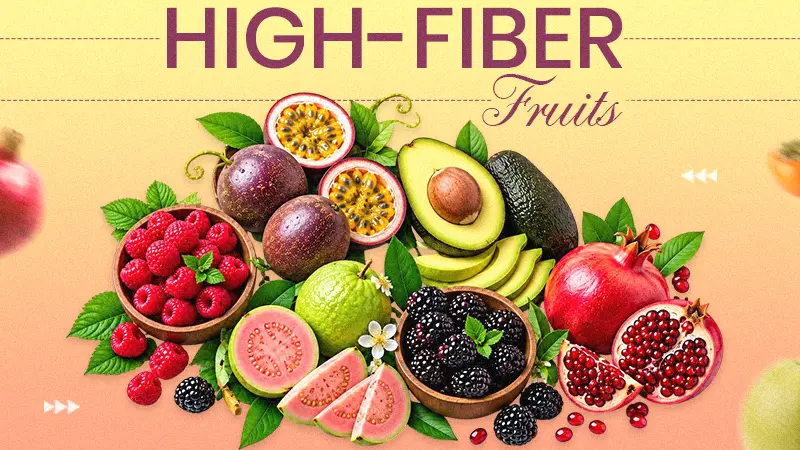
The fruits highest in fiber per 100 g include passion fruit, avocado, raspberries, guava, and blackberries. Their fiber varies significantly based on the serving size, dried or fresh form, or juice or whole fruit form. The practical choices for high fiber content are apples, pears, guava, and raspberries that can be included in the diet easily.
At a Glance
- Passion fruit contains the most fiber both per 100g and in its typical serving.
- The fruit’s fiber content changes depending on the weight density, portion size and in the fresh and dried forms.
- The best low-sugar and high-fiber options include avocados, raspberries, and blackberries.
- Whole fruit has more fiber than the juices. Juicing strips away pulp, solid flesh, and skin of the fruits.
Table of Contents:
Which Fruits Have the Highest Fiber? A Practical Comparison
To understand which fruit has the highest fiber, it’s important to see the fiber content in fruits per 100 g. The top ones include passion fruit, avocado, and raspberries. The list also includes the typical serving and the fiber in that serving for better comprehension.
| Rank | Fruit | Fiber/100 g | Typical serving | Fiber/ serving |
| 1. | Passion Fruit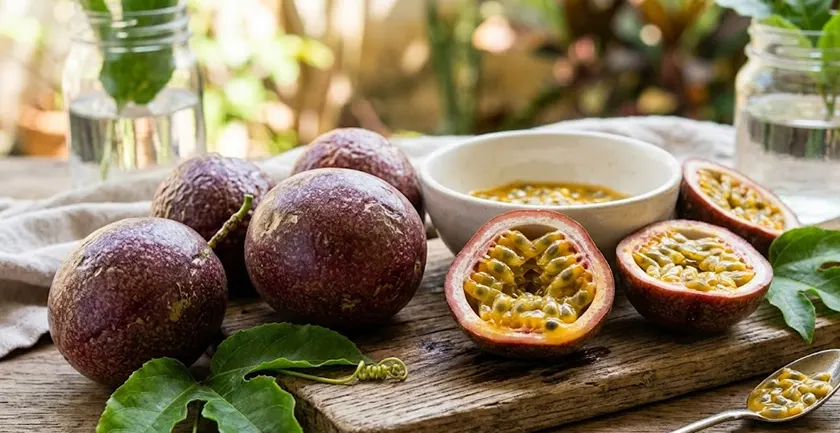 | 10.4 g | 1 cup (236 g) | 24.5 g |
| 2. | Avocado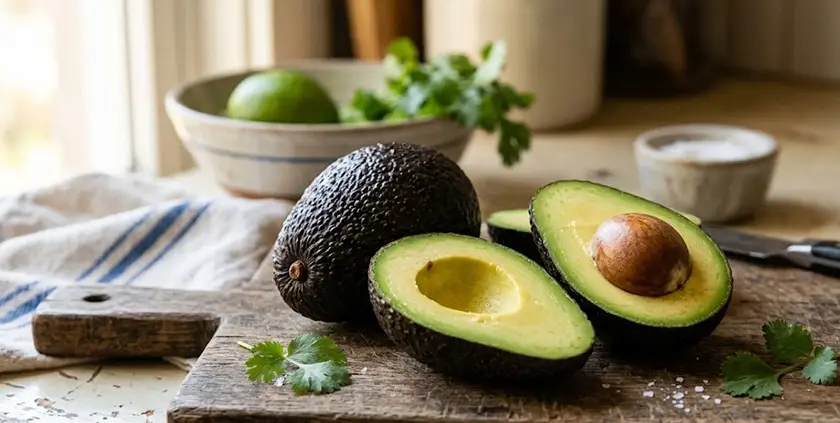 | 6.8 g | 1 fruit, without skin and seeds (136 g) | 9.25 g |
| 3. | Raspberries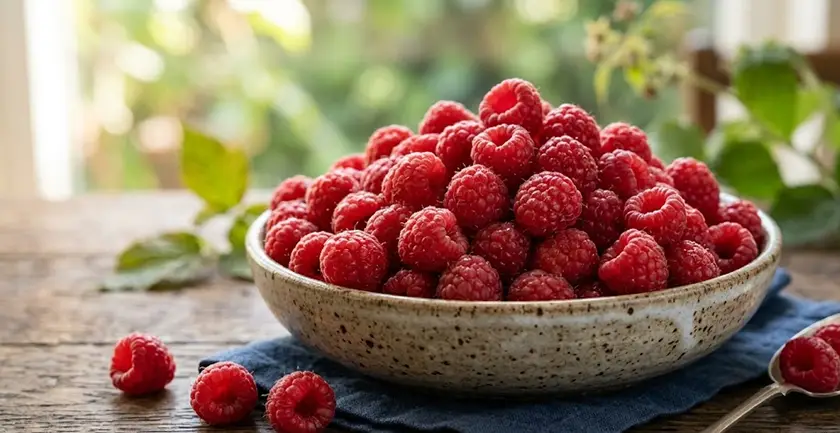 | 6.5 g | 1 cup (123 g) | 8 g |
| 4. | Guava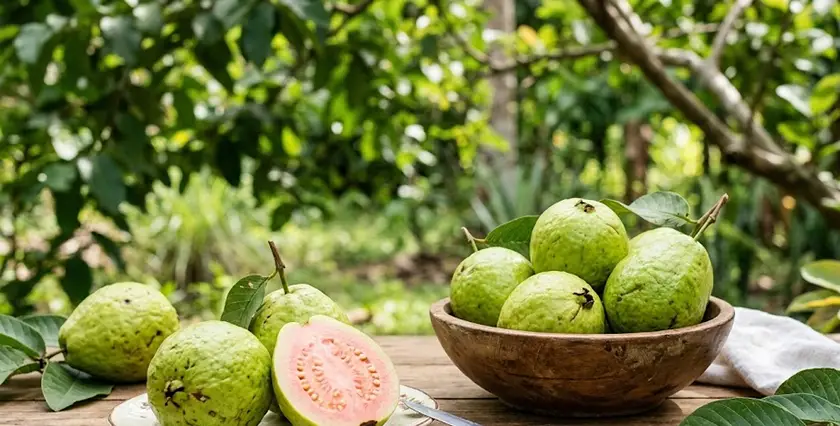 | 5.4 g | 1 cup (165 g) | 8.91 g |
| 5. | Blackberries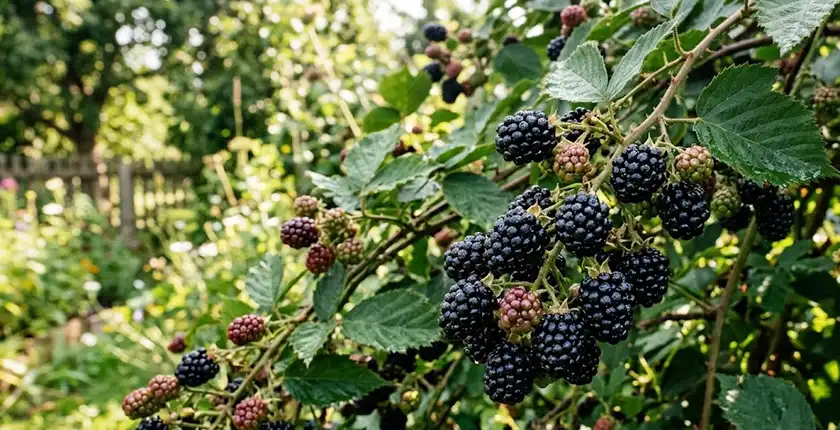 | 5.3 g | 1 cup (144 g) | 7.63 g |
| 6. | Pomegranate 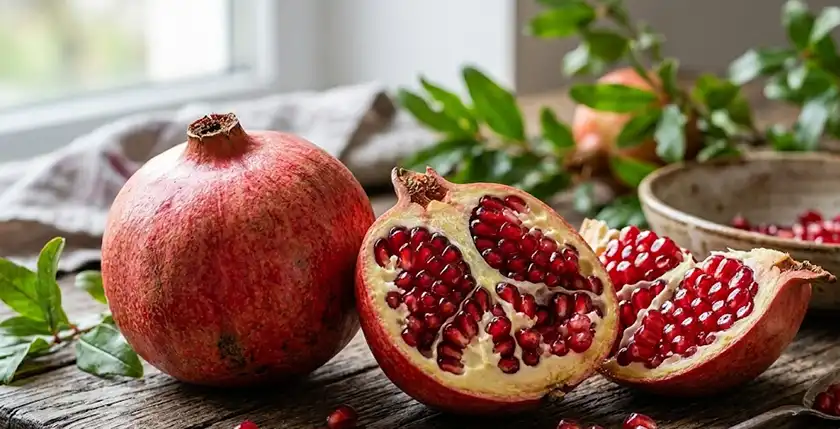 | 4 g | 0.5 cup arils (seed/juice sacs) (87 g) | 3.48 g |
| 7. | Persimmon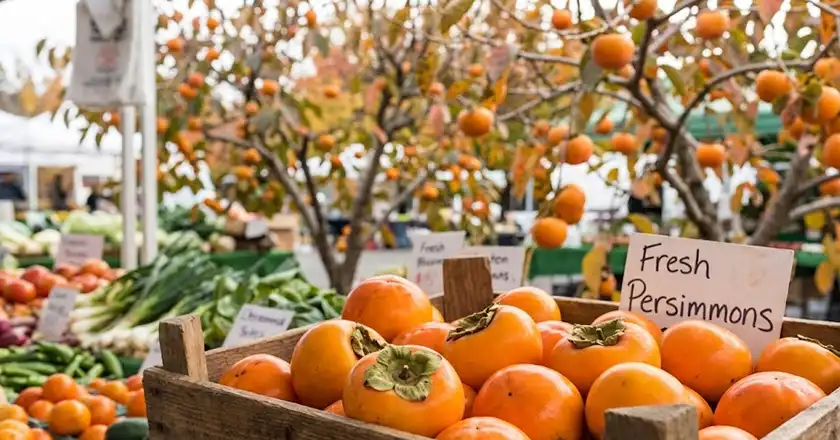 | 3.6 g | 1 fruit (168 g) | 6.05 g |
| 8. | Pear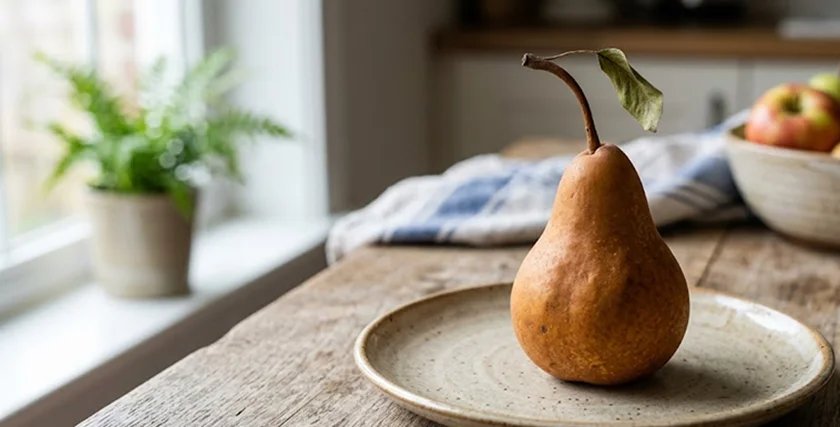 | 3.1 g | 1 cup, cubes (161 g) | 4.99 g |
| 9. | Kiwi 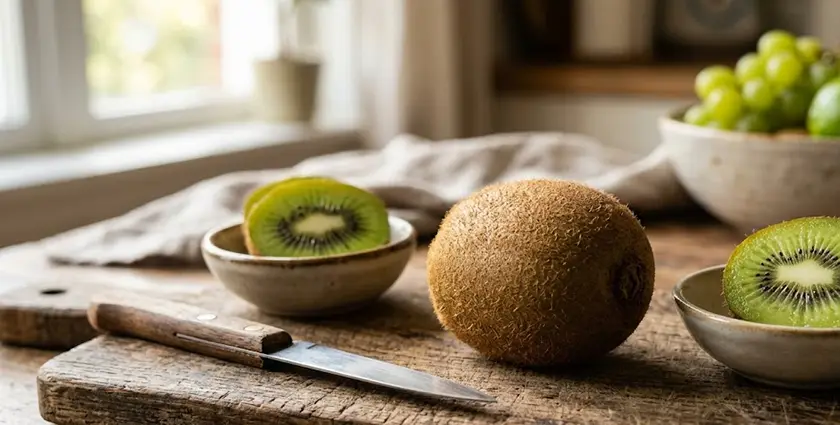 | 3 g | 1 cup (180 g) | 5.4 g |
| 10. | Banana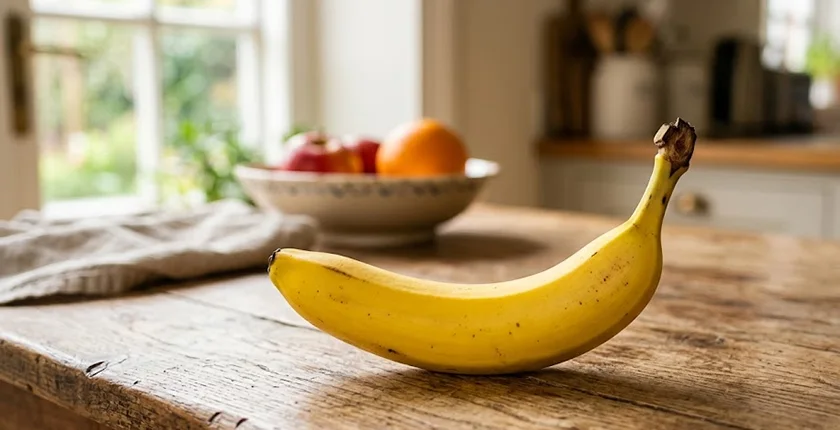 | 2.6 g | 1 medium (7” to 8” long) | 3.07 g |
| 10. | Apple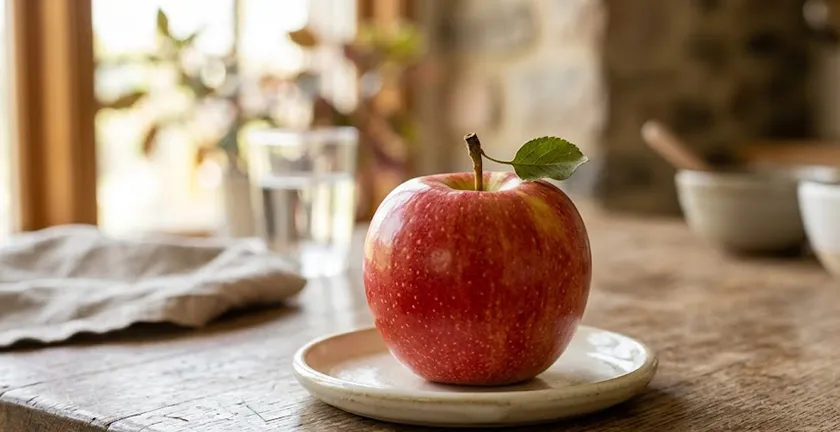 | 2.4 g | 1 cup, sliced (109 g) | 2.62 g |
| 11. | Blueberry 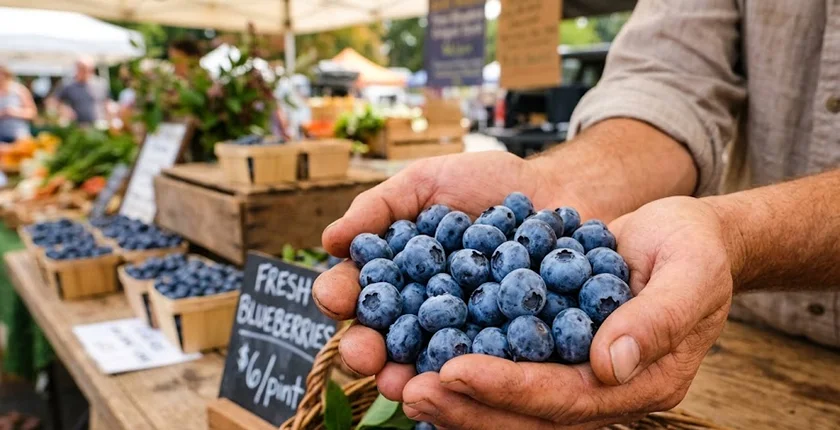 | 2.4 g | 1 cup (148 g) | 3.55 g |
| 13. | Orange 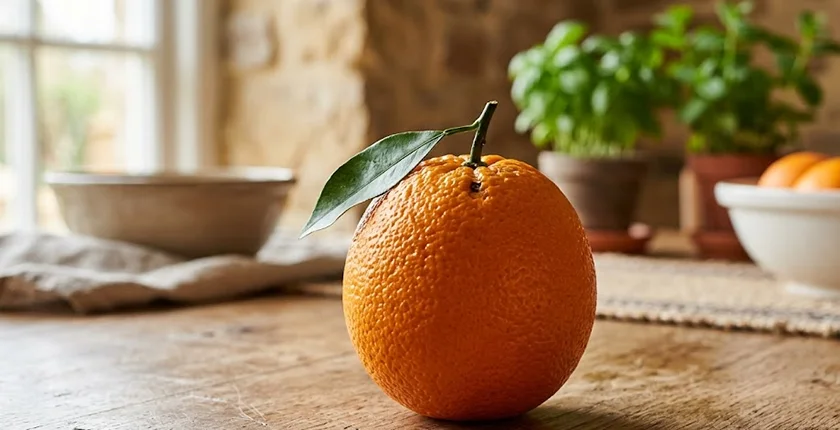 | 2.2 g | 1 fruit (154 g) | 3.39 g |
| 14. | Strawberry 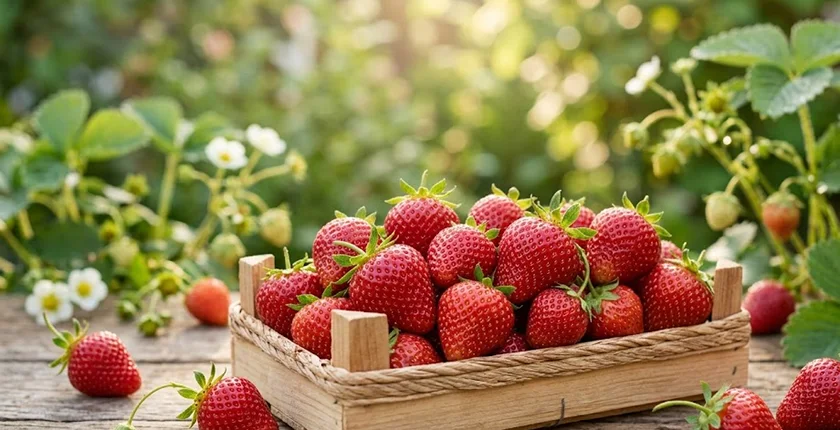 | 2 g | 1 cup, sliced (166 g) | 3.32 g |
| 15. | Mango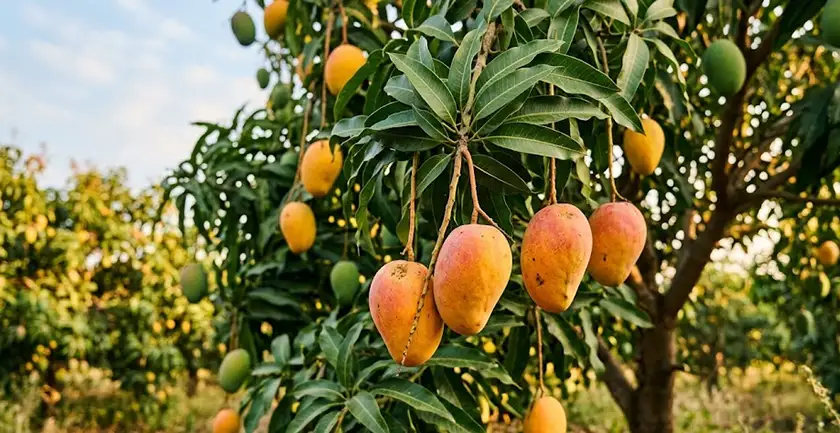 | 1.6 g | 1 cup pieces (165 g) | 2.64 g |
Note: The list is strictly based on raw/fresh forms of fruits from the official sources.
Also Read: How to Eat Clean: A Practical Guide to Building Healthier Eating Habits
Why Do Different High-Fiber Fruit Lists Disagree?
It gets confusing to understand which fruits are high in fiber, as there are different listings on varied websites. This is due to the changing fiber content based on 100 g or the typical serving size. It is also caused by the distinct fiber content in dried and fresh fruits.
Here are the 3 factors that influence these different listings:
- Serving Size Units: Lists measure fiber based on 1 cup, 1 fruit, or per 100g. This changes the rankings significantly. For instance, passion fruit has high fiber of about 24.5 g per cup, but when it is measured per 100 g, it lowers to about 10.4 g.
- Skin and Seeds: It is crucial in the fiber measurement whether the fruit is eaten peeled or unpeeled. Like, an apple or pear that is eaten with the skin has a higher amount of fiber than when it is eaten peeled. The berries that are commonly consumed with skin and seeds have dense insoluble fiber.
- Fresh or Dried Form: Dried fruits like figs, prunes, and dates have high fiber due to removal of water and concentration of nutrients into smaller portions. However, they are known to be high in sugar.
How to Choose High-Fiber Fruits: Fiber by Weight and Serving
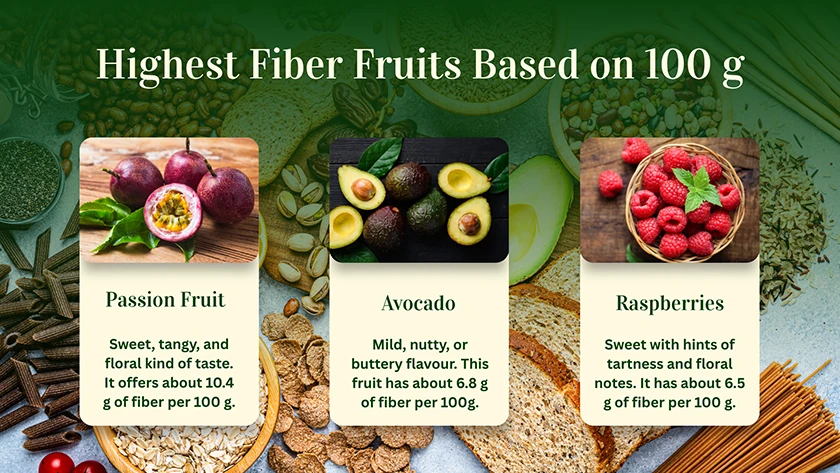
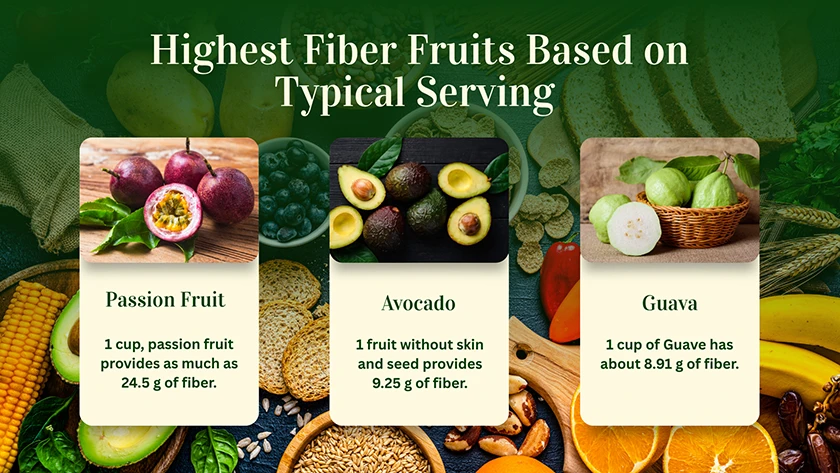
The right fruits with higher fiber depend on taste preference, serving choices, and individual requirements. The highest fiber fruits as per 100g include passion fruit, avocado, and raspberries. On the other hand, when we see on the basis of typical servings, they are passion fruit, avocado, and guava.
Highest Fiber Fruits Based on 100 g
- Passion Fruit: This is a high-fiber tropical fruit that has a sweet, tangy, and floral kind of taste. It offers about 10.4 g of fiber per 100 g. This fruit can be eaten raw or included in smoothies, desserts, or salads.
- Avocado: A fruit high in fiber has a mild, nutty, or buttery flavour, which makes it great to be added to various dishes. This fruit has about 6.8 g of fiber per 100g. You can spread it on toast, make creamy dressings, or sauces with it.
- Raspberries: These fruits are sweet with hints of tartness and floral notes. It has about 6.5 g of fiber per 100 g. This fruit is highly versatile and can be used in smoothies and desserts or as toppings on muesli or yoghurt.
Highest Fiber Fruits Based on Typical Serving
- Passion Fruit: In its typical serving of about 1 cup, passion fruit provides as much as 24.5 g of fiber. This completes nearly the daily requirement.
- Avocado: A typical serving of 1 fruit without skin and seed provides 9.25 g of fiber. It is rich in dietary fiber, which brings many health benefits.
- Guava: A typical serving of guava is 1 cup, which has about 8.91 g of fiber. This fruit has a sweet, floral taste that is universally pleasant. It can be eaten raw or used in jams and jellies.
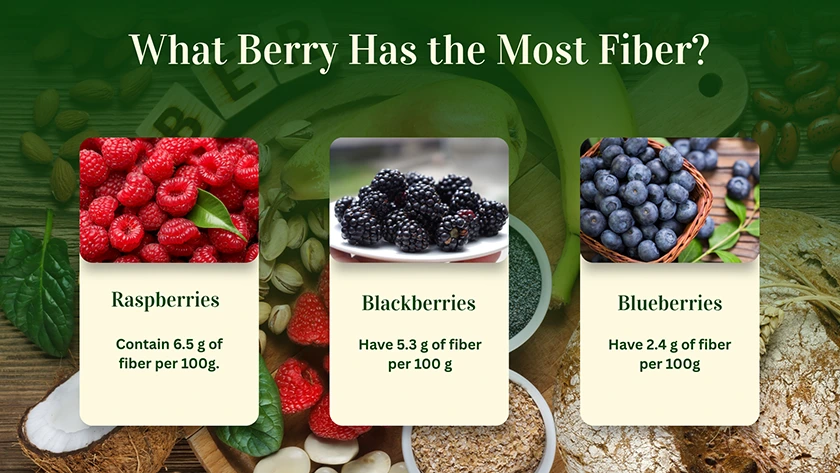
What Berry Has the Most Fiber?
- Raspberries: Raspberries contain 6.5 g of fiber per 100g and 8 g of fiber per cup serving, making them one of the best fruits highest in fiber.
- Blackberries: Blackberries have 5.3 g of fiber per 100 g and 7.63 g of fiber per cup. They are colourful fruits that provide many health advantages.
- Blueberries: Blueberries have 2.4 g of fiber per 100g and 3.55 g per cup. They are full of nutrients and help maintain a well-balanced diet.
Practical High-Fiber Fruit Choices for Everyday Eating
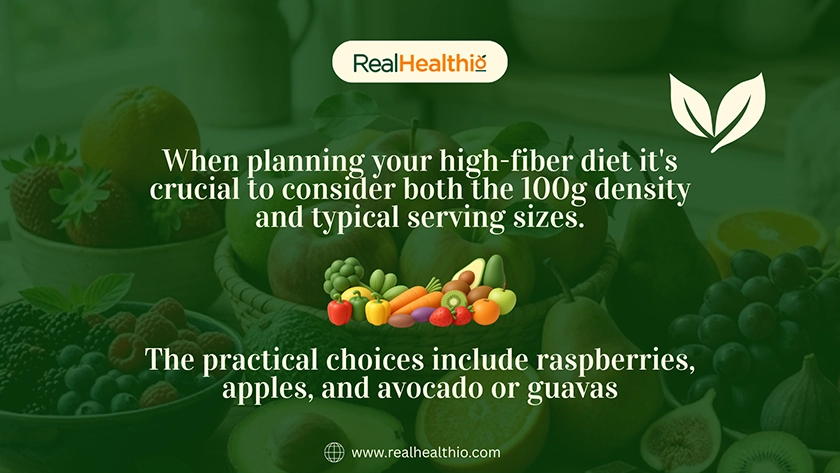
When planning your high-fiber diet it’s crucial to consider both the 100g density and typical serving sizes. Density tells the efficiency of the fruit, while the typical serving sizes inform what can be included on the plate. The practical choices include raspberries, apples, and avocado or guavas that are easy to include in the diet to fulfil the daily fiber intake of 25-30 g.
Next Read: 7 Benefits of Drinking Water, Daily Intake Requirements & Hydration Myths
High-Fiber, Low-Sugar Fruits
Many individuals prefer to add high fiber low sugar fruits to their diet to prevent blood sugar spikes, keep themselves fuller for longer, and support overall well-being. For this, the best options are avocado, raspberries, blackberries, and strawberries. These fruits are comparatively lower in sugar while helping fulfill the daily fiber intake.
- Avocado: Per fruit, without seed and skin contains 9.25 g of fiber and 0.4 g of total sugars.
- Raspberries: A cup of raspberries contains 8 g of fiber and 5.44 g of total sugars.
- Blackberries: A cup of blackberries has 7.63 g of fiber and 7.03 g of total sugars.
- Strawberries: A cup of sliced strawberries has 3.32 g of fiber and 8.12 g of sugar.
Whole Fruit Vs. Juice Fiber
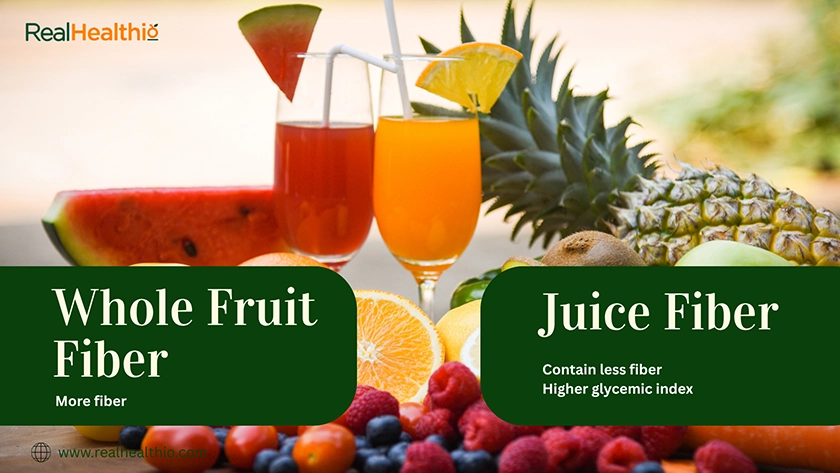
Though fruit juices are popular to eat clean, they contain less fiber as compared to the whole fruit. In the juicing process, the pulp, solid flesh, and skin are extracted, where most of the fiber stays. Juices also have a higher glycemic index, contributing to blood sugar spikes. It is also noted that drinking is not as satiating as eating the whole fruit.
However, if you are looking for high-fibre fruit juice in the market, the best options are prune Juice (1 g fiber per 100 g), orange juice (0.3 g fiber per 100g), and apple juice (0.2 g fiber per 100 g).
Conclusion
Fiber is a significant part of our daily diet. It helps prevent constipation, supports digestion, and reduces blood sugar spikes. So, what fruit has the most fiber? Though passion fruit ranks first in both 100g and a typical serving as the fruit with the most fiber, practical fruit choices like apples, pears, avocados, and raspberries are also great for meeting the daily fiber intake. For healthy eating habits and maximum fiber, add fruits with edible skin to your diet and prioritise whole-fruit intake.
FAQs
Do mandarin oranges have fiber?
What are high-fiber fruits?
Some of the highest-fiber fruits are passion fruit, avocado, raspberries, and guava.
Do I eat fruit skin to increase fiber intake?
Yes! Eating edible fruit skins of apples and pears can increase the intake of insoluble fiber.
Is dried fruit as high in fiber as fresh fruit?
Dried fruits contain more fiber in smaller quantities due to the removal of water. However, they have more sugars and should be consumed in smaller quantities.
Does fruit juice contain as much fiber as whole fruit?
No! Fruit juices have comparatively less fiber due to the removal of pulp, skin, and solid flesh.
Sources:


Related Posts