Clams and beef liver have the highest amount of vitamin B12. Clams contain 84 mcg per 3-ounce serving, while beef liver contains 70 mcg per 3-ounce serving.
B12-Rich Foods Compared: Which Sources Actually Provide Vitamin B12?
Wondering whether your diet provides enough vitamin B12? You are not alone. B12 rich foods play an essential role in nerve function, red blood cell production, and overall health. The good news is that you can get this nutrient from several foods, including fish, eggs, dairy products, and fortified plant-based alternatives.
The main challenge is to maintain healthy eating habits and to know which foods actually contain B12 and which are often mistaken for reliable sources. This guide compares B12-rich foods by nutritional value and serving size, explains which sources are reliable, and highlights warning signs of vitamin B12 deficiency.
Table of Contents:
- Which B12-Rich Foods Provide the Most Vitamin B12? A Practical Comparison
- How Much Vitamin B12 Do You Need Per Day?
- Vitamin B12 Foods List: Best Animal-Based Sources
- What Are The Best Vitamin B12 Sources For Vegetarians?
- How Much B12 Do You Get From Indian Foods? (Per Glass, Katori, and 100 g)
- B12 Rich Foods Vegan: Which Plant-Based Options Are Reliable?
- Foods Often Listed as B12 Sources That Actually Aren’t
- Who is Most at Risk of Low Vitamin B12?
- What Are The Warning Signs of Vitamin B12 Deficiency?
- Conclusion
- FAQs
Which B12-Rich Foods Provide the Most Vitamin B12? A Practical Comparison
According to Harvard Medical School, B12 rich foods are required for proper brain functioning. It helps create healthy red blood cells and plays a vital role in making or repairing DNA. Given below is a practical comparison of food items that provide the highest amount of vitamin B12 per standard serving:
| Food Item | Vit B12 per 100g | Typical Serving |
|---|---|---|
| Clams | 84.1 mcg | 85g |
| Beef Liver | 70-80 mcg | 85g |
| Oyesters | 15-21 mcg | 85g |
| Fortified Yeast | 8-24 mcg | 15g |
| Rainbow Trout (cooked) | 5.4 mcg | 100g |
| Salmon (cooked) | 2.6-4.9 mcg | 85g |
| Canned Tuna | 2.5 mcg | 85g |
| Fortified Cereals | 6 mcg | 1 serving |
| Low Fat Milk | 1.2 mcg | 1 cup |
| Swiss Cheese | 0.9 mcg | 28g |
| Large Egg | 0.6 mcg | 1 whole |
| Chicken Breast (cooked) | 0.3 mcg | 85g |
Also Read: 1 Roti Calories: Calculate Roti and Chapati Calories by Size, Flour & Ghee
How Much Vitamin B12 Do You Need Per Day?
According to the NIH Office of Dietary Supplements, the recommended daily intake of B12 rich foods for most adults is 2.4 micrograms (mcg). Pregnant women need 2.6 mcg daily, while breastfeeding women need 2.8 mcg.
| Daily Requirements by Age and Stage | |
|---|---|
| Adults (14+ Years) | 2.4 mcg per day |
| During Pregnancy | 2.6 mcg per day |
| During Breastfeeding | 2.8 mcg per day |
| Infants and Children | 0.4 mcg to 1.8 mcg |
Please Note: If you have a confirmed deficiency, vitamin B12-rich foods alone may not correct it. A healthcare professional can recommend appropriate supplements or injections based on your blood test results and the underlying cause.
Vitamin B12 Foods List: Best Animal-Based Sources
Fish, shellfish, organ meats, eggs, and dairy products are some of the best animal-based B12 food sources. However, their nutritional value varies, so knowing which foods provide the most B12 can help you make better dietary choices.
- Clams: A 100-gram serving of cooked clams can provide approximately 50-100 mcg of B12. This also depends on the species and the preparation method.
- Beef Liver: Beef liver is another exceptionally rich source of vitamin B12, providing approximately 60-71 mcg per 100 grams. It is also high in vitamin A, so eating it too frequently or in large amounts is not advisable.
- Sardines: Sardines are an excellent source of B12 and are easy to include in meals. A 100-gram serving of canned sardines provides 8-9 mcg of vitamin B12.
- Mackerel: Mackerel is a fatty fish that provides approximately 16-19 mcg of vitamin B12 per 100 grams, depending on the species. It is also rich in omega-3 fatty acids.
- Salmon: Salmon provides approximately 3-5 mcg of vitamin B12 per 100 grams. It is a useful option for people who regularly eat fish and want to increase their B12 intake.
- Tuna: Canned tuna provides approximately 2-3 mcg of vitamin B12 per 100 grams, although the amount varies by species and product. It is a convenient source of protein and can also be added to sandwiches and salads.
- Beef: Cooked beef generally has around 1.5-3 mcg of vitamin B12 per 100 grams. It also contains protein, iron, and zinc. Including moderate portions of lean beef in a balanced diet can be beneficial.
- Eggs: Eggs contain vitamin B12, although they provide less than shellfish, liver, and many types of fish. One large egg supplies approximately 0.5-0.6 mcg. You can pair them with other B12-rich foods for a balanced meal.
- Milk: Milk is a convenient everyday source of vitamin B12. One cup of cow’s milk, approximately 240 ml, provides around 1-1.2 mcg. It can be especially useful for vegetarians who consume dairy products.
- Chicken: Chicken contains vitamin B12, but it is not one of the richest sources. An 85-gram serving of cooked chicken breast typically provides around 0.2-0.3 mcg.
What Are The Best Vitamin B12 Sources For Vegetarians?
Vegetarians can get vitamin B12 from dairy products, eggs, and foods fortified with this essential nutrient. However, the amount of B12 in these foods varies, and some vegetarian staples contain little to no reliable vitamin B12. Here are the best B12-rich vegetarian foods and clean eating habits to include in your daily diet.
- Milk: Milk is one of the easiest ways for vegetarians to add vitamin B12 to their diet. One cup (240 ml) of cow’s milk provides approximately 1.2 mcg of vitamin B12, covering about 50% of the recommended daily intake.
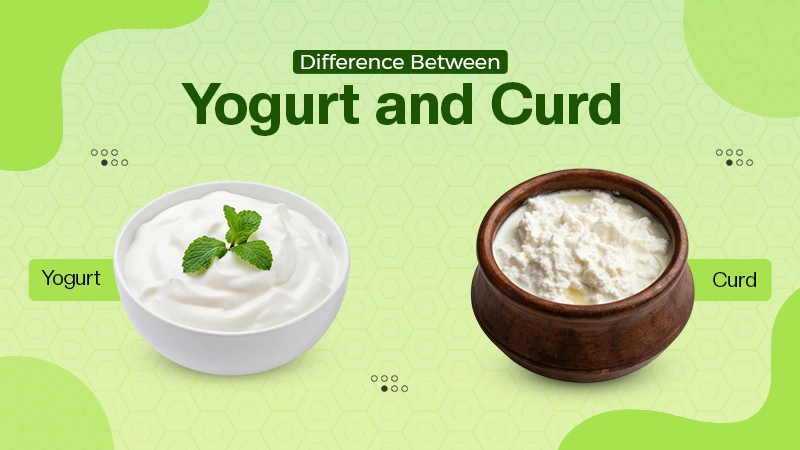
- Yogurt and Curd: Both of these are yet another practical source of vitamin B12. A 170-gram serving of plain yogurt may provide around 0.7 mcg, although the amount varies by product. You can include curd with lunch, enjoy yogurt as a snack, or add it to a fruit bowl.
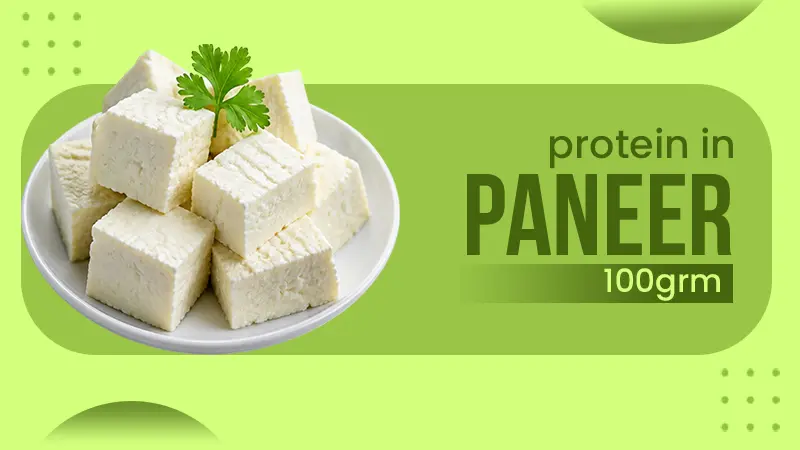
- Cheese and Paneer: Cheese provides vitamin B12 in varying amounts depending on the variety. Swiss cheese, for example, contains approximately 3 mcg per 100 grams, while other varieties may provide considerably less. Since paneer is widely used in Indian meals, it can contribute to your B12 intake.
- Fortified Breakfast Cereals: These can be useful for vegetarians, particularly those who eat little dairy or eggs. Manufacturers add vitamin B12 during processing, so the amount varies by product. Check the nutrition label for the B12 content per serving.
- Fortified Nutritional Yeast: This is a popular ingredient among vegetarians and vegans because of its savoury, cheese-like flavor. Some brands are fortified with vitamin B12, making them a useful addition to soups, pasta, salads, and other meals.
Some vegetarians can meet their vitamin B12 needs through regular consumption of suitable foods, particularly dairy products, eggs, and reliable fortified foods. However, people who eat very little dairy or eggs may struggle to get enough from food alone.
Also Read: Food Must Have Limited Amount of Salts: Reasons, Risks & Daily Sodium Limits
How Much B12 Do You Get From Indian Foods? (Per Glass, Katori, and 100 g)
Apart from vitamin b12 fruits and vegetables, the nutrient can also be sourced from dairy products like milk, curd, paneer, or cheese, and eggs (if consumed). Here is a simple breakdown of vitamin B12 content in common Indian foods per glass, katori, and 100 g.
| Food Item | Per 100g | Per Glass (240 ml) | Per Katori (150g) |
|---|---|---|---|
| Milk | 0.56 mcg | 1.1-1.4 mcg | 0.8-1.0 mcg |
| Curd | 0.37 mcg | 1.0 mcg | 0.6-0.9 mcg |
| Paneer | 0.8-2.6 mcg | 1.0 mcg | 0.6-0.9 mcg |
| Chicken Liver | 16-20 mcg | NA | NA |
| Whole Egg | 1.0-1.2 mcg | NA | 0.5-0.6 mcg |
B12 Rich Foods Vegan: Which Plant-Based Options Are Reliable?
A vegan diet excludes all animal-derived foods, including milk, curd, cheese, eggs, fish, and meat. This makes choosing reliable vitamin B12 sources especially important because ordinary plant foods do not naturally provide dependable amounts of active vitamins.
The good news is that vegans can get vitamin B12 from fortified foods and supplements.
- Fortified Nutritional Yeast: According to the NIH Office of Dietary Supplements, approximately ¼ cup of fortified nutritional yeast can provide 8.3-24 mcg of vitamin B12. This is several times the recommended daily intake for most adults.
- Vitamin B12 Fortified Plant Milk: Fortified soy milk, almond milk, and oat milk can help vegans increase their vitamin B12 intake. Manufacturers add B12 to these products, but not every plant-based milk contains it. Always check the nutrition label for the amount of vitamin B12 per 100 ml of the serving.
- Fortified Plant-Based Meat Alternatives: Certain vegan burgers, soy-based meat substitutes, and plant-based protein products contain added vitamin B12. These foods can contribute to your daily intake while providing additional protein.
According to the National Health Service, United Kingdom, sources of vitamin B12 for vegans include fortified breakfast cereals, unsweetened soya drinks, yeast extract, and nutritional yeast flakes.
Foods Often Listed as B12 Sources That Actually Aren’t
Many foods are often promoted as natural sources of vitamin B12, especially in vegetarian and vegan diets. However, some contain little to no reliable B12, while others may contain inactive B12 compounds that the body cannot use effectively.
Here are some of the most commonly misidentified foods and what you should know about them.
Spirulina: Spirulina is one of the most nutrient-rich vitamin b12 fortified foods for vegans, but it is not a reliable source of vitamin B12. It may contain compounds that resemble B12. You can still consume it for other nutrients, but do not depend on it to meet your daily B12 requirements.
Seaweed and Nori: Seaweed, particularly nori used in sushi, is sometimes advertised as a plant-based source of vitamin B12. However, its content varies depending on the species and the processing method.
Mushrooms: Mushrooms provide nutrients such as fibre, potassium, and certain B vitamins. Some varieties may also contain small amounts of active B12, but the levels are generally too low or inconsistent to meet your daily needs reliably. You can enjoy these in soups, curries, and stir-fries, but do not count them as your main source.
Tempeh and Other Fermented Soy Products: Tempeh is a fermented soybean product commonly used as a protein-rich meat alternative in vegan diets. Although some tempeh products may contain vitamin B12 produced during fermentation, the amount varies significantly with the production process.
Who is Most at Risk of Low Vitamin B12?
Vitamin B12 deficiency can affect anyone, but certain people face a higher risk because of their dietary choices, age, medical conditions, or difficulty absorbing nutrients. Since vitamin B12 supports red blood cell formation, nerve function, and DNA production, getting enough of this nutrient is important for overall health.
Here are the groups most likely to develop low vitamin B12 levels and why they need to pay attention to their intake.
| Vegans and Vegetarians: People who strictly avoid animal-based foods are at higher risk of vitamin B12 deficiency. If you consume dairy and eggs, you may also develop a deficiency if the intake is too low. |
| Adults Over 50: As people age, their ability to absorb vitamin B12 from foods may decline. Conditions such as atrophic gastritis can reduce stomach acid production, making it harder to release B12 from the food. |
| People With Digestive Disorders: Certain digestive conditions can slow down B12 absorption, even when the diet contains proper food. Celiac or Crohn’s disease can damage parts of the intestine and reduce B12 absorption. |
| Pregnant and Breastfeeding Women on Vegan Diets: Vitamin B12 is important during pregnancy and breastfeeding because it supports normal neurological development. Women following a vegan diet and not consuming properly fortified B12 foods or supplements may develop a deficiency. |
People with restricted diets, autoimmune conditions, long-term medications, or a history of stomach or intestinal surgery are also at risk of low Vitamin B12.
What Are The Warning Signs of Vitamin B12 Deficiency?
According to the NIH (United Kingdom), Vitamin B12 deficiency can develop gradually, and symptoms may take years to appear. Some of the common warning signs include:
- Persistent fatigue or weakness
- Pale skin or shortness of breath
- A sore, red, or smooth tongue
- Numbness or tingling in the hands and feet
- Difficulty maintaining balance or walking
- Memory problems or difficulty concentrating
If you are vegetarian, consuming vitamin b12 fruits and vegetables can be really beneficial for your health and overall development.
Conclusion
Vitamin B12 rich foods may be needed in small amounts, but its role in keeping nerves healthy, supporting red blood cell production, and maintaining overall health is significant. From fish, eggs, and dairy products to fortified plant milk and nutritional yeast, there are several ways to meet your daily B12 needs.
If you follow a vegan diet, take certain medications, or have a condition that affects nutrient absorption, pay extra attention to your daily intake. When in doubt, consult a healthcare professional!
FAQs
What food has the highest B12?
How can I raise my B12 level fast?
You can raise your B12 levels by taking high-dose oral supplements, drops, or tablets, or by receiving direct medical injections. While food alone cannot fix a deficiency, B12-rich foods such as clams, liver, fish, meat, dairy, and eggs can also help.
What fruit is high in B12?
No common natural fruits contain B12. It is exclusively found in animal products, dairy-based products, or fortified food items.
What are the signs of B12 deficiency?
Chronic fatigue, weakness, low concentration, pale or yellowish skin, shortness of breath, rapid heart rate, and digestive issues are some common signs of B12 deficiency.

Related Posts