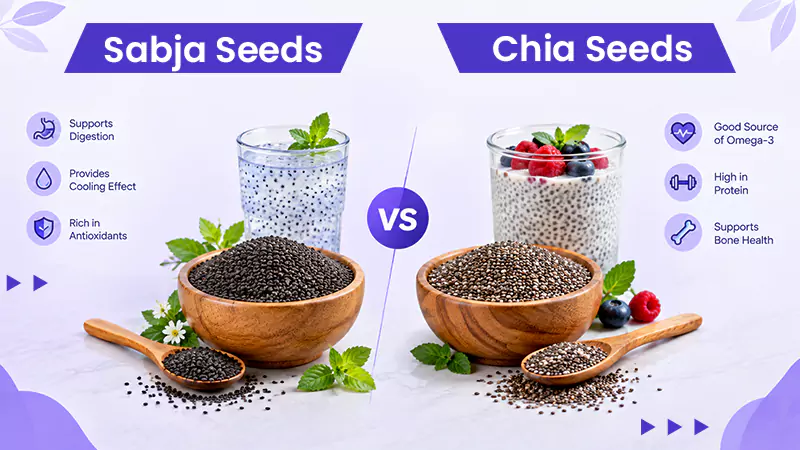
Habits of eating according to our fitness requirements and consuming nutrients in a healthy, rational way are Healthy Eating Habits.
10 Healthy Eating Habits for Better Nutrition and Everyday Health

Healthy Eating Habits will let you discover the taste of delicious and nutritious food without compromising your fitness goals.
Good eating is just about adding nutrients and avoiding trash from your meal. A fresh avocado always tastes better than an unhygienic burger.
At the end of this blog, you will know what nutritious food and a healthy lifestyle look like and how you can use these nutrients for your own fitness.
Table of Contents:
10 Healthy Eating Habits to Stay Fit
Healthy eating habits refer to choosing your meals smartly to stay fit. Achieve your fitness goals by being aware of the amount of nutrients you are consuming.
Here are 10 healthy eating habits you need to know.
1. Don’t Ignore Carbohydrates in Your Diet
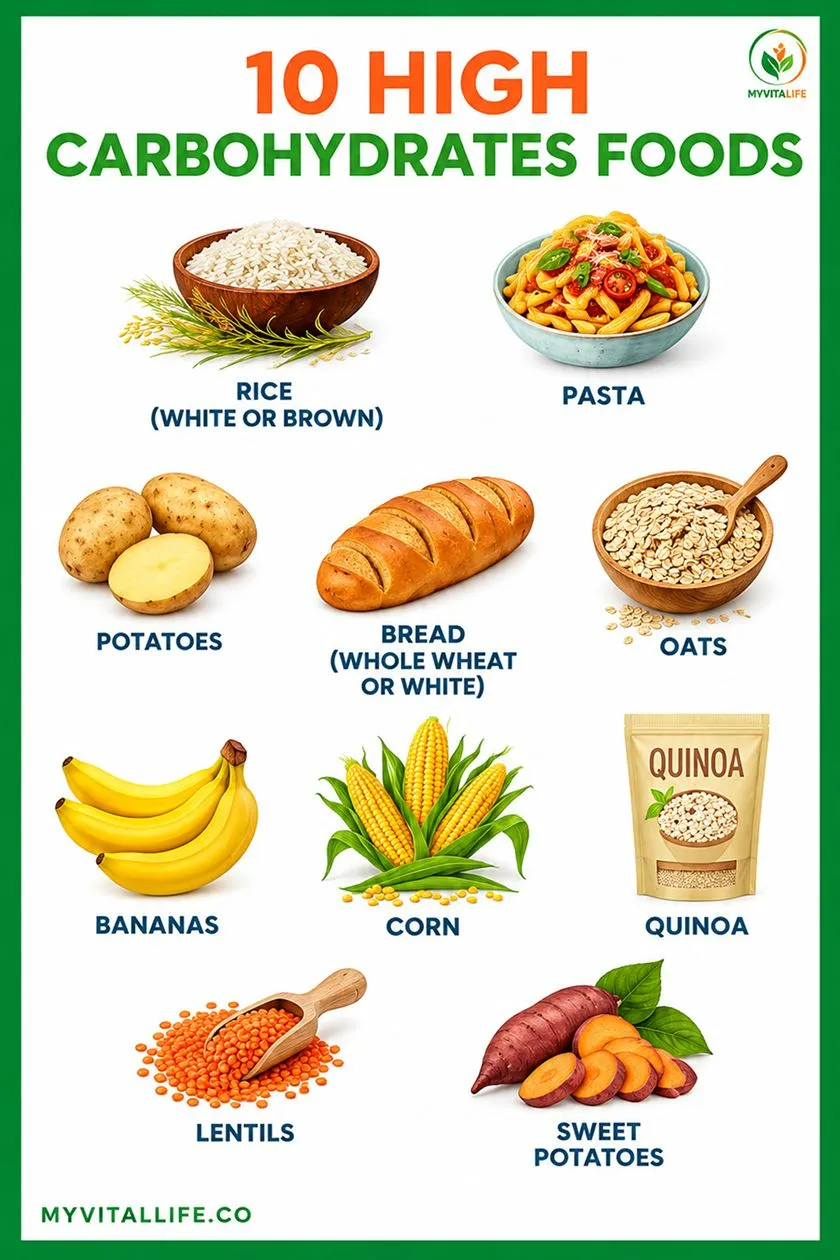
Carbohydrates are a major nutrient because of these beneficial properties, as they:
- Provide roughly 45% to 65% of your daily energy intake.
- Help regulate mood and sleep by sending the amino acid tryptophan to the brain.
- Stimulate insulin release.
- Support the digestive system by promoting bowel regularity, preventing constipation, and feeding healthy gut bacteria.
Carbs are a necessary nutrient and the best source of energy. Fruits, vegetables, whole grains, wheat, oats, and pulses are a few examples of carbohydrate-rich foods.
2. Hit Your Protein Intake Every Day
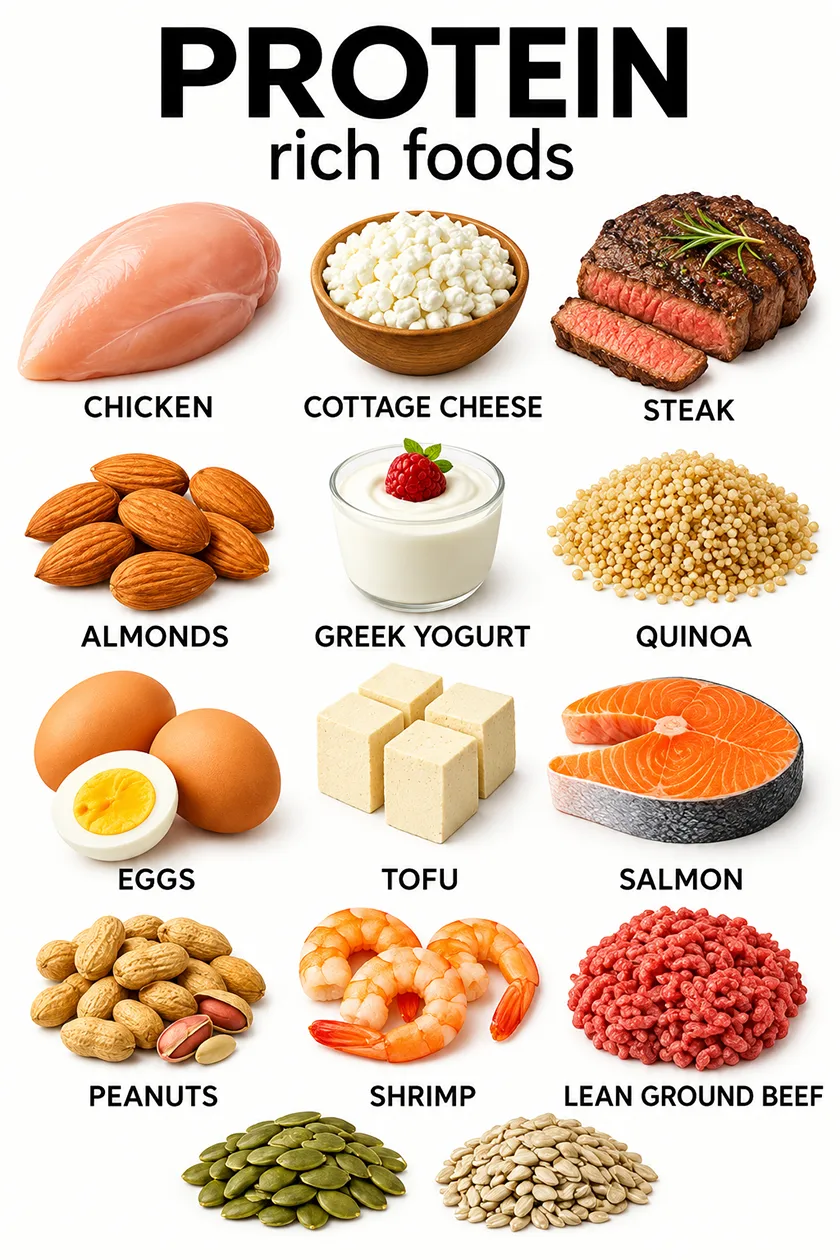
Protein helps in building muscles. But it does a lot more things, like supporting your hormones’ and enzymes’ functionality.
Include protein-rich foods in your diet, like whole eggs, bananas, and chicken breast. Other than that, you can use protein supplements like milk- or plant-based protein to meet your daily protein intake.
Without protein, your body struggles to build and repair tissues like muscles, skin, and bones. This healthy eating habit leads to healthy muscles and hormones.
3. Avoid Sugar like It’s Poison
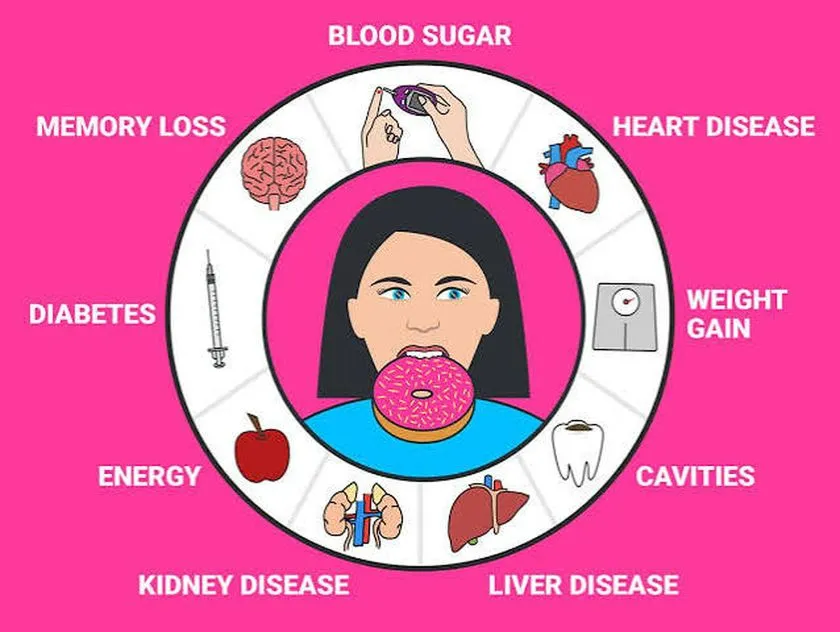
Cutting sugary foods and drinks from your life is a huge step towards fitness. Here are the reasons why you should avoid artificial sugar.
- Artificial or processed sugar may effortlessly lead to aging and skin problems like pimples and acne.
- It adds empty calories, which affects calorie intake management.
- Its consumption may harm your kidneys and affect your blood sugar levels.
- Excessive intake has been linked to a higher risk of heart disease and may affect cognitive health over time.
Natural sugar can be consumed in fruits, which is healthy in a moderate amount. No-sugar or natural sugar soft drinks and sugar-free sweets are better alternatives for cravings. Avoiding processed sugar is surely a good eating habit.
4. Healthy Eating Starts with Vitamins
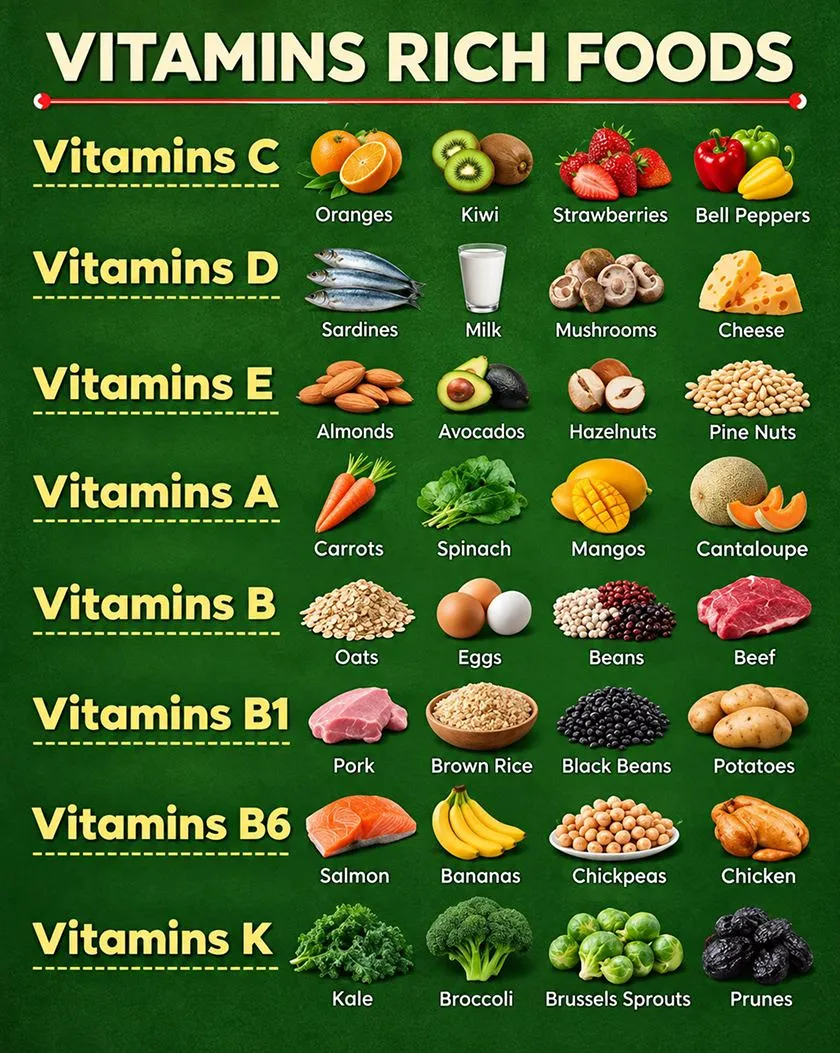
Vitamins are crucial for your growth. While every vitamin serves benefits to your body, these are some of the benefits that make vitamins a deserving nutrient to include in your healthy eating diet habits:
- Vitamins B1, B2, and B6 boost food absorption in your body, which boosts the utilisation of nutrients you intake.
- Vitamin B12 helps in the growth of your mind and is considered one of the most essential vitamins.
- Vitamin A sharpens your vision, preventing diseases like myopia and hyperopia. And builds hemoglobin and new cells.
- Vitamin C works as a healing nutrient that supports recovery of minor and severe wounds proficiently; it also boosts the immune system.
Try to get every vitamin through your meals, as each of them supports your fitness effectively.
5. Minerals Are Necessary
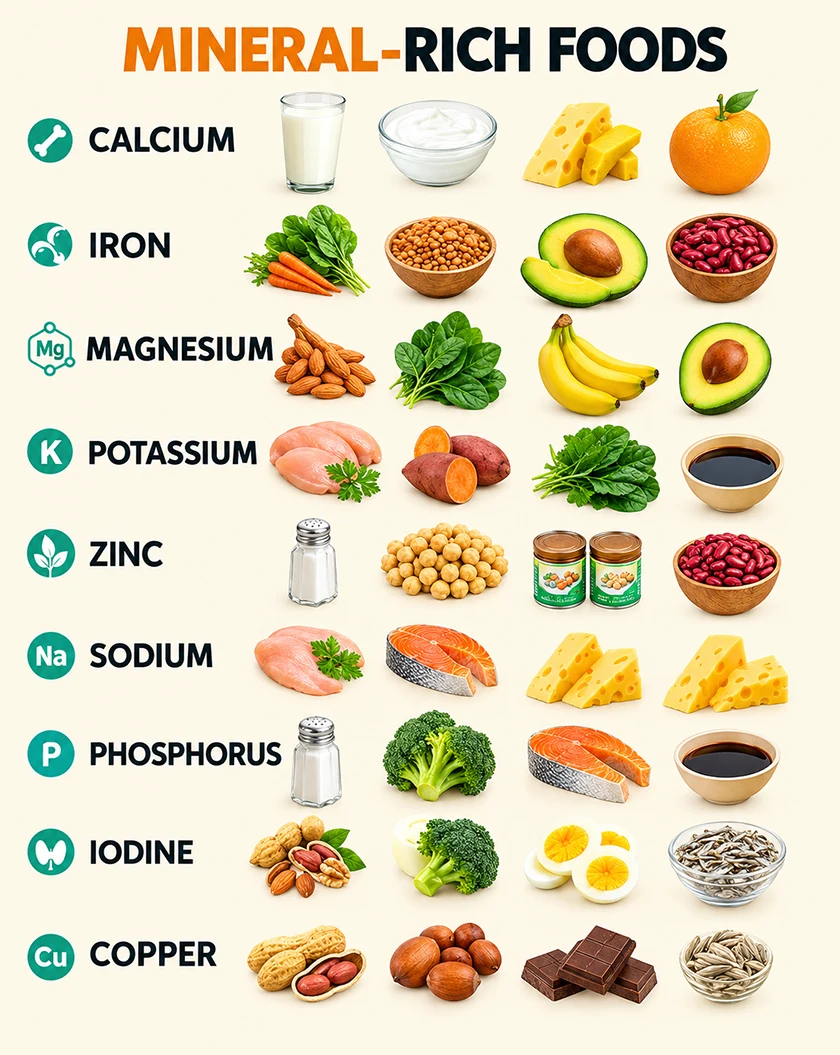
Minerals are required to build and maintain bones, regulate blood pressure, and provide a large list of benefits. Macro Minerals like Calcium, Magnesium, potassium, and Sodium are essential for:
- Build and maintain bones and teeth
- Regulate blood pressure and heart function.
- Maintain fluid and electrolyte balance.
While trace minerals like Iron, zinc, and copper are required for:
- Support oxygen supply in blood.
- Create red blood cells.
- Improve immune function.
Including them in your daily life with foods like Milk, Spinach, Eggs, lentils, and other mineral-rich foods is considered a good eating habit.
6. Stay Hydrated at any cost
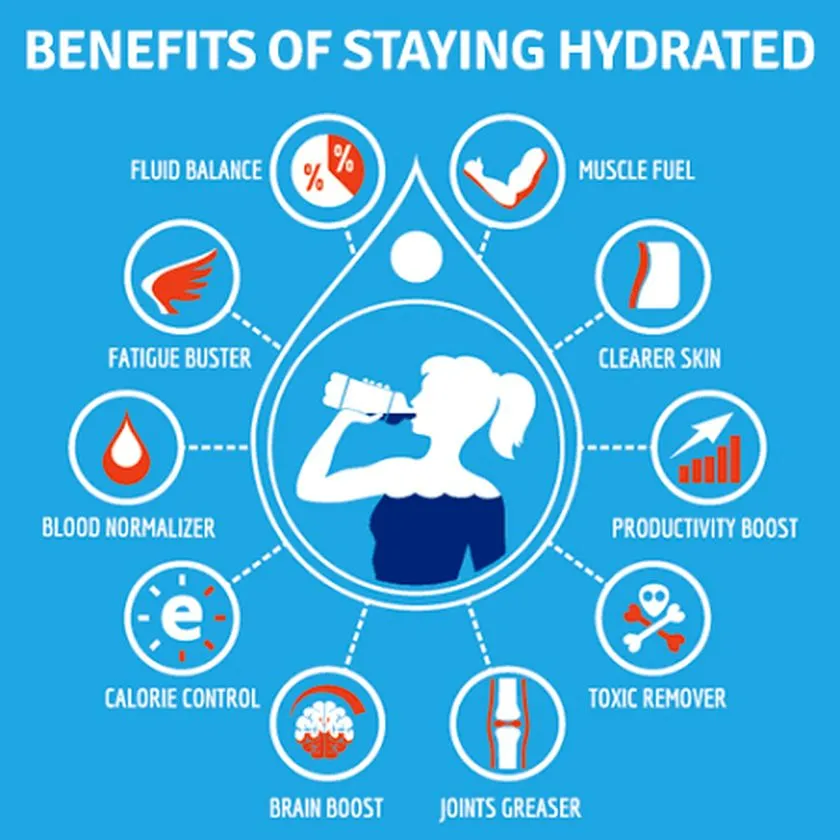
General guidance suggests around 3–4 litres a day for most adults, though daily water needs vary with body size, activity, and climate.
Here are 7 noticeable advantages of Hydration:
- Hydration helps prevent dry mouth and dehydration.
- A hydrated body prevents kidney stones and boosts detoxification.
- Replenishment supports heart health by maintaining blood pressure.
- Hydrating properly smooths your digestion.
- Staying hydrated also helps to regulate sugar levels.
- Quenching supports collagen production, leading to healthy, acne-free skin.
- Being hydrated prevents urinary infection and improves the kidneys’ efficiency.
7. Don’t Skip Your Breakfast
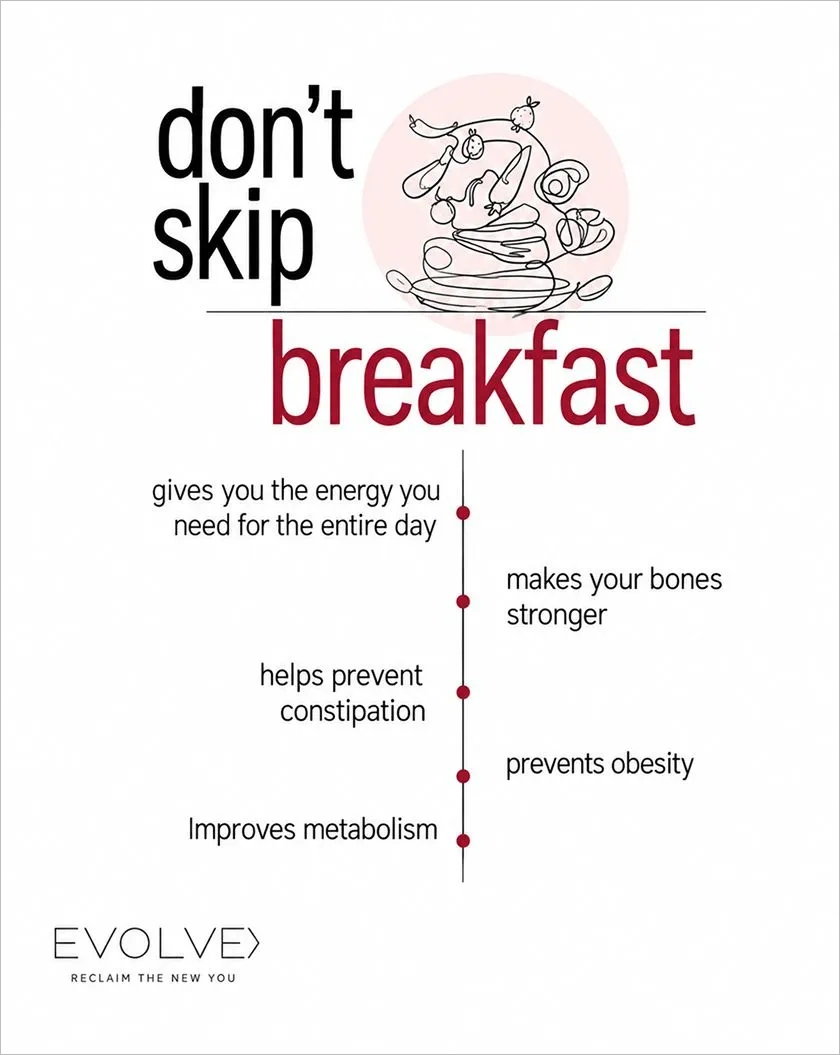
Nutritious breakfast or all-day fatigue- which one is better?
Adding protein, fibre, and healthy fats to your breakfast makes it beneficial. A healthy breakfast supports your whole day’s nutrient requirements. Enjoy all-day energy without fatigue throughout the day.
Consuming raw fruits, greek yogurt, oatmeal, nuts, and eggs are also nutritious food choices. You can add these to your breakfast as a healthy eating habit.
8. Stop Eating Before Getting Full
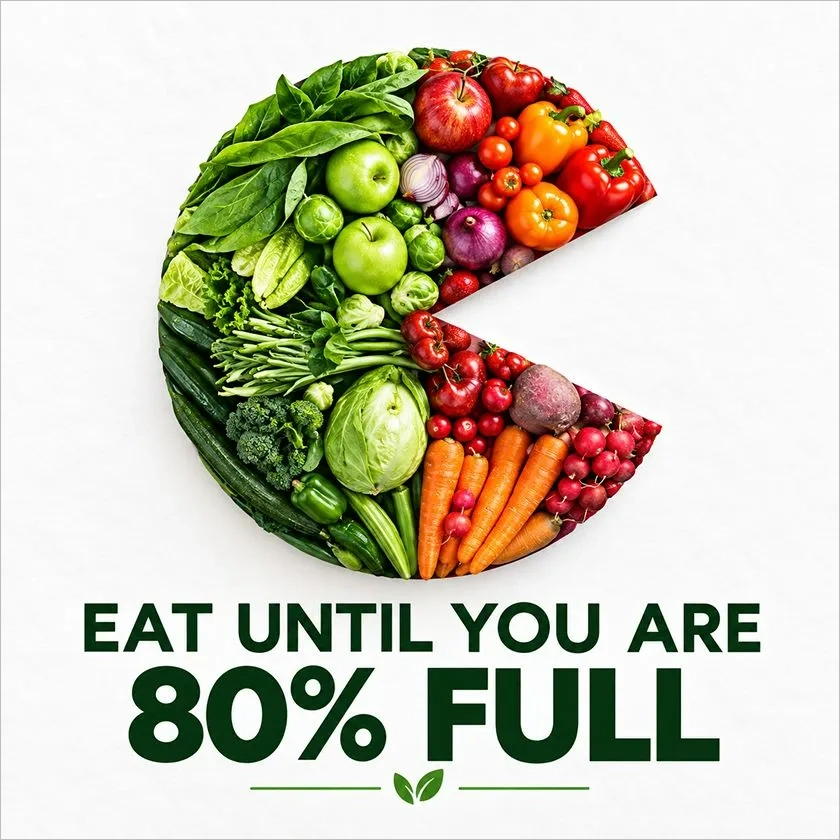
Eating until you feel stuffed comes with consequences. Here are 4 drawbacks of overeating you never see:
- Overeating may cause digestive strain and stomach upset
- It may affect your metabolism, leading to fat accumulation.
- A stuffed stomach can’t dissolve nutrients effectively. Leaving you malnourished.
- Overeaters experience hunger irregularities and nausea too.
Eat until you are 80% full; this will ease your digestion and allow your digestive system to work efficiently.
9. Change cooking oils in your kitchen.

Enjoy the same food without the same heart attack risks. Refined vegetable oils and palm oils in your kitchen are more dangerous than you think. What to do?
Look for cooking oils with less than 4 grams of saturated fat per tablespoon and no trans fat.
Purchase cold-pressed or wood-pressed oils, which are significantly better options. Some examples of healthy cooking oils are avocado oil, extra virgin olive oil, cold-pressed mustard oil, and sunflower oil. Use these to cook the same meals in a smart and safer way.
10. Chew Every Bite 32 Times
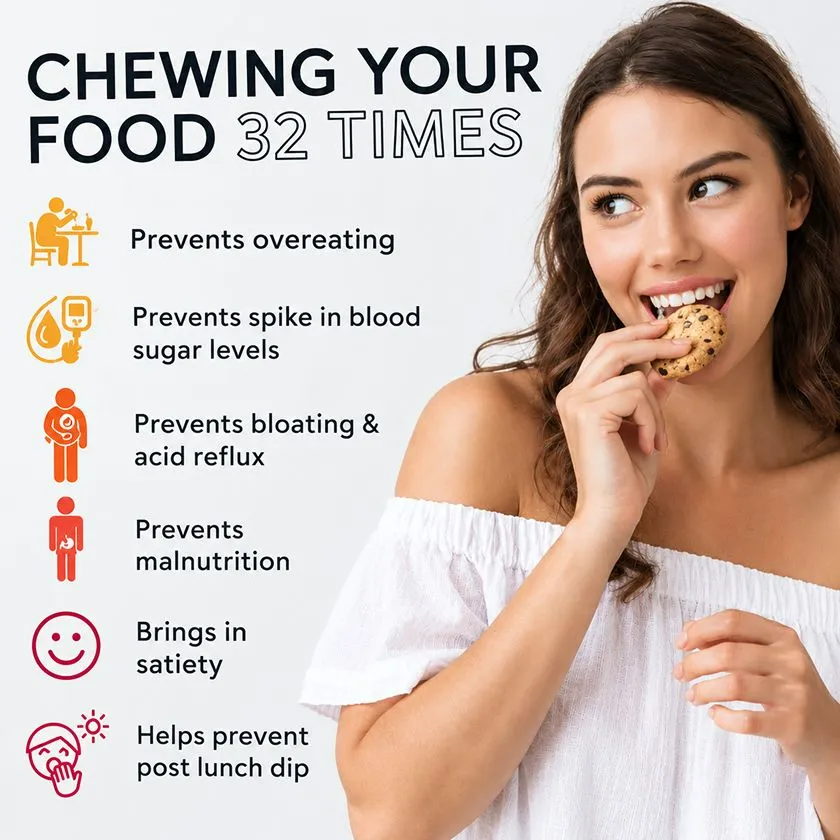
Healthy eating habits are incomplete without proper chewing. Make your meal twice as delicious and nutritious by chewing properly.
Aim to chew each bite 32 times; it will create a soft, easy-to-digest paste that can be absorbed properly in your digestive system.
Proper eating prevents overeating, malnutrition, bloating, and acid reflux. And supports nutrition absorption, helps control blood sugar spikes, and brings satiety.
What are the Nutrient Requirements to Stay Healthy?
Our body requires nutrients to survive, to work, and to live a healthy lifestyle. Good eating habits come with a good, nutritious diet. We can make our meals full of life by knowing about these 6 major nutrients.
Here are the 6 essential nutrients we need in our daily life:
- Proteins
Protein is the foundation of our muscles and immunity. Every cell in our body consumes energy from protein, making it essential for survival.
- Carbohydrates
Carbohydrates are the primary source of energy, especially required to perform every physical and mental activity.
- Fats
Fats are strictly necessary for our body to absorb fat-soluble vitamins. Fats also protect our vital organs and act as building blocks for cell membranes.
- Vitamins
We need vitamins for growth, healing, and proper functioning of our mind and body. Vitamins boost immunity, support brain development, and aid in the healing of physical injuries.
- Mineral
Both macro and trace minerals make a significant contribution to our growth. Properties like bone and teeth development, haemoglobin production, and nerve and muscle contraction make them one of the essential requirements for our body.
- Water
Dehydration kills in a couple of days. Biologically, we need water for survival. And its detoxification, nutrient transportation, and body temperature regulation. Water is definitely the most important nutrient requirement to stay healthy.
7 Common Mistakes to Avoid to Stay Healthy
Smart and healthy people avoid these mistakes to stay fit and active. We all unknowingly consume harmful substances and do activities that stop us from achieving our desirable, healthy lifestyle.
These are the 7 common mistakes to avoid to stay healthy:
- Don’t overeat. Stop when you are 80% full.
Overeating may cause excess fat gain and prevent nutrients from being absorbed in your body.
- Avoid sugary drinks; they increase empty calories.
Drinks that contain processed sugar may affect your insulin levels and may leave you with acne and pimples.
- Don’t sleep right after dinner. A short walk will help your digestion.
Sleeping right after dinner may disrupt your digestion and may cause stomach aches and morning tiredness.
- Avoid using vehicles for short distances. Walking supports well-being.
Walking is considered the best cardio exercise. Aim for walking 10 thousand steps a day to prevent heart strokes and improve cardiac functionality.
- Stop using screens an hour before you sleep. Blue rays disrupt sleep.
Blue rays from electronic devices like smartphones and laptops may lead to insomnia. With other drawbacks like eye sight loss and mental fatigue.
- Don’t eat outside every day. Prefer home-cooked nutritious food.
Cook hygienic and nutritious meals at your home whenever you can. Some restaurant meals may use more oil, including palm oil or reused cooking oil, which can negatively affect health when consumed frequently. Instead, choose nutritious food options with lighter preparations when eating out.
- Avoid ignoring your nutrition and hydration track. Tracking nutrients leads to betterment.
Tracking is the key. The Bourbon biscuits you ate yesterday have 10 times more calories than your whole day meal. Always track your nutrients and calories; you grow better when you know more.
Conclusion
Healthy eating habits include essential nutrients in your diet, eating beneficial portions of food, and avoiding substances that are harmful to your health.
Mindful eating will help you to boost your physical and mental abilities. Good eating habits prevent wrong food selection; from now on, you will prefer nutritious whole foods over processed slow poison.
Next time you will select a delicious meal packed with nutrients. Not a sweetened dessert packed with diseases. Next time you see artificial sugar, you will see memory loss and sugar spikes.
Stick to Healthy Eating Habits and live life more delightfully.
FAQs
What are healthy eating habits?
What are the 6 essential nutrients to stay healthy?
We need 6 essential nutrients to stay healthy. Which are:
- Proteins
- Carbohydrates
- Fats
- Vitamins
- Minerals
- Water
Which vitamin is important for healthy eyesight?
Vitamin A is essential for healthy vision and supports the normal functioning of your eyes.
What are the best food items for a nutritious breakfast?
Raw fruits, greek yogurt, oatmeal, nuts, and eggs are some of the nutritious food choices for your breakfast.
Sources:
- National Institutes of Health, Office of Dietary Supplements – Vitamin and Mineral Fact Sheets
- Harvard Health Publishing – The Sweet Danger of Sugar
https://www.health.harvard.edu/heart-health/the-sweet-danger-of-sugar
- National Institutes of Health, NIH News in Health – Hydrating for Health
- American Heart Association – Healthy Cooking Oils
https://www.heart.org/en/healthy-living/healthy-eating/eat-smart/fats/healthy-cooking-oils
Latest Blog

Related Posts